Two Days Before the First Customer: The Hidden Schedule Behind Delhi's Best Chole
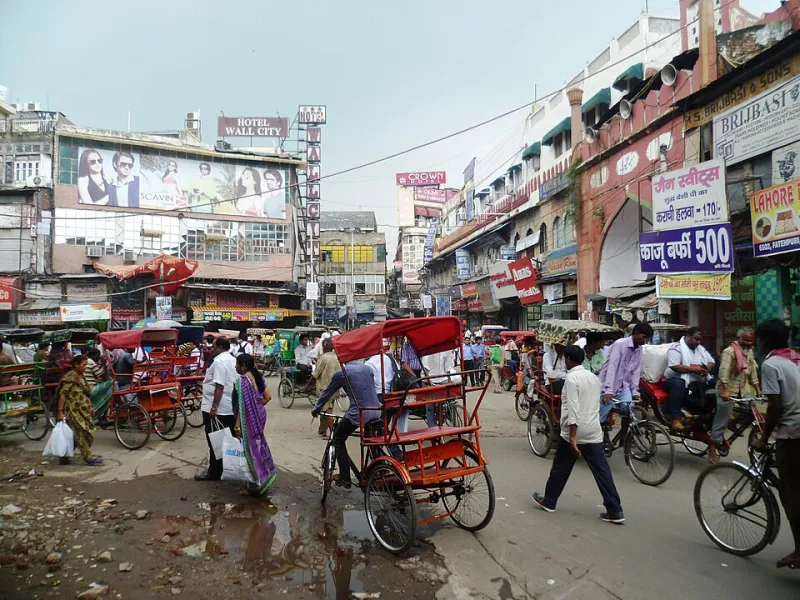
Photo: Radosław Botev, CC BY 3.0 pl, via Wikimedia Commons
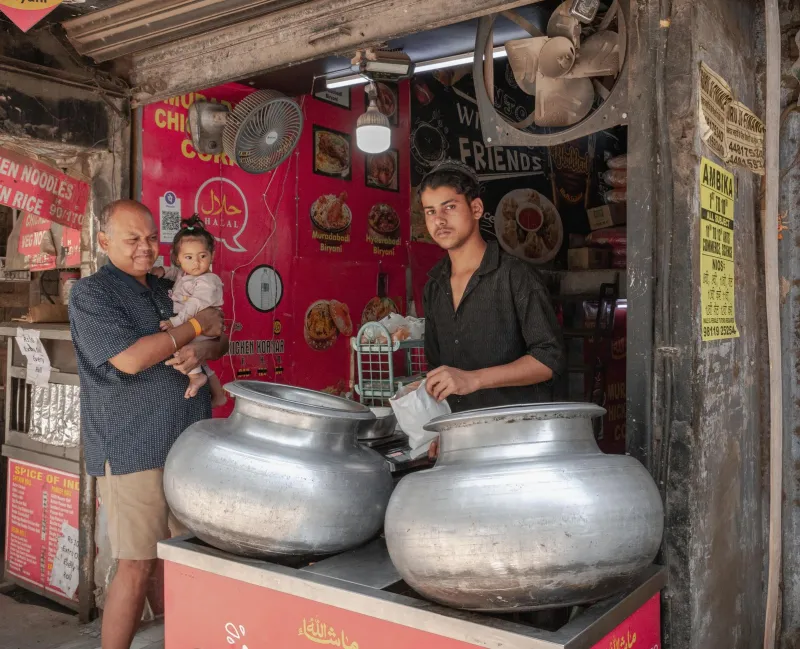
Stand in front of a famous chole cart in Old Delhi at nine in the morning and you'll watch something that looks like magic: a vendor ladling out deep, dark, impossibly aromatic chole as fast as people can eat it. No recipe cards. No tasting spoons. Just a pot that seems to have appeared, fully perfect, out of nowhere.
It didn't appear out of nowhere. It appeared out of Tuesday.
Talk to the vendors — or to the families who run these stalls generation after generation — and a pattern emerges. The best chole in Chandni Chowk is never made the day it's served. It's made across two days, in stages, and the stages matter more than any single ingredient.
Day One Is About the Bean, Not the Dish
The first day belongs almost entirely to the chickpeas. They're sorted — every shriveled or discolored one picked out — soaked overnight, and then simmered slowly, often with a sachet of whole spices tied in cloth and a bit of tea or amla in the water for that signature dark color.
Then comes the step home cooks always skip: the cooked chickpeas rest. Hours in their own liquid, absorbing the spice water, the flavor moving from the broth into the bean itself. A vendor isn't just cooking chickpeas; he's seasoning them from the inside.
Day Two Is Where the Pot Finds Its Voice
The second day is the masala. Onions browned properly — not sautéed until pale, but cooked down until sweet and deep. Tomatoes, ginger, garlic, the ground spices bloomed in fat. Then the rested chickpeas and their liquid go in, and the whole thing simmers together until the broth thickens on its own, no flour, no shortcuts.
And here's the part that surprises everyone: it rests again. Even after it's finished, many vendors hold the pot low and slow, letting the flavors marry, then reheat to order. The chole you buy at noon has been thinking about being chole since yesterday.
The American Weekend Translation
You don't need a cart or a 40-quart pot. You need to split the work across two days, and honestly, a weekend was made for this.
Saturday morning: Sort and soak your chickpeas. It takes five minutes of actual work.
Saturday afternoon: Cook them with your whole-spice bundle and tea bag for color. Let them cool in their liquid. Stick the whole pot in the fridge overnight. Total hands-on time: about an hour.
Sunday midday: Build your masala properly. Brown the onions until they're actually brown — this takes 25-30 minutes and it is the single highest-leverage thing you will do all weekend. Combine with the chickpeas and simmer 45 minutes to an hour.
Sunday evening: Serve — or better, hold it on the lowest heat for another two hours and serve late. If you can bear to wait until Monday, it's even better. The leftovers-only rule of Indian cooking applies in reverse here: the dish improves right up until it peaks.
Why This Works When One-Day Versions Don't
Every rest period is doing chemistry you can't rush. The chickpeas equalize with their cooking liquid. The spices hydrate fully and mellow. The raw edge that fresh ground masala always carries burns off. When you compress all of that into one afternoon, you get chole that tastes assembled. Spread across two days, you get chole that tastes decided.
The vendors in Chandni Chowk aren't working harder than you. They're just working earlier. Steal their schedule, and your Sunday pot will taste like it's been famous for generations.