The Turban, the Cart, and the Plate: How the Sardar Became Chole Bhature's Most Trusted Signature
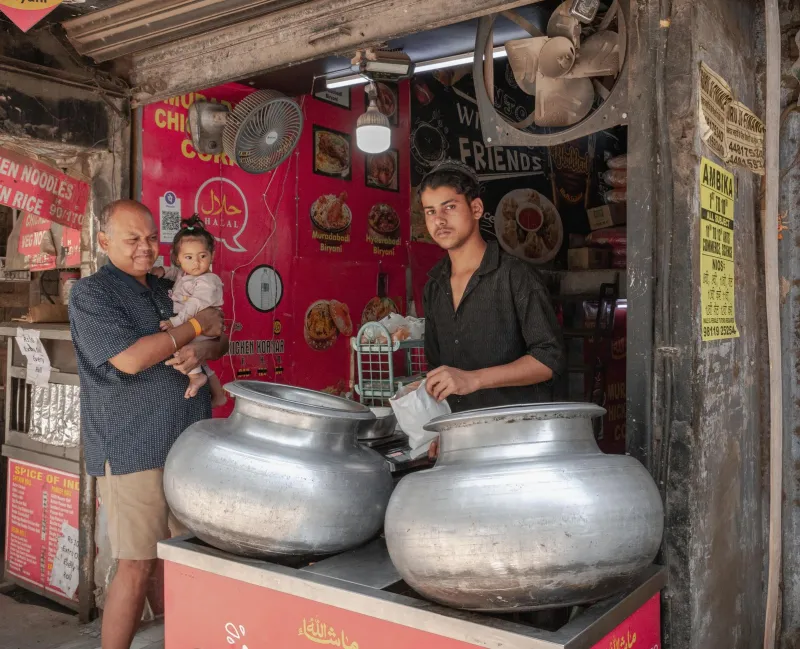
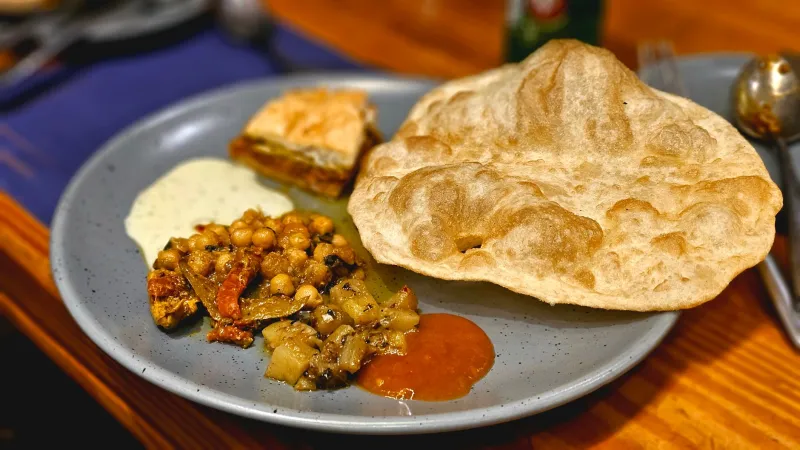
Ask anyone who grew up in Delhi or Punjab to picture chole bhature, and the image that pops up is remarkably specific: a big-bellied kadhai of dark, glossy chickpeas, a mountain of puffed bread, and behind it all, almost always, a Sardarji.
That's not a coincidence. It's history, entrepreneurship, and identity stacked on a plate — and it's a story that's now playing out again, thousands of miles away, in American kitchens and food trucks.
Where the Association Began
Chole bhature as we know it took shape in the decades after Partition, when Punjabi refugees — Sikh and Hindu alike — rebuilt their lives in Delhi and across the Punjab. Street food was the great equalizer in those years. It was cheap, filling, and it tasted like the homes people had lost.
Sikh vendors, many of whom had farming backgrounds and zero fear of hard, physical work, gravitated toward the food trade. The dhaba — that roadside institution of steel thalis and endless chai — became their domain. And the dhaba's crown jewel, alongside dal makhani and tandoori chicken, was chole bhature.
The turban became part of the brand without anyone planning it. In a crowded market, a Sardarji's stall signaled something: cleanliness, consistency, a man who showed up at 6 a.m. every day because his reputation was his livelihood. In Punjabi culture, the Sikh identity carries an explicit ethic of honest labor and feeding people generously. Vendors leaned into that. Customers trusted it.
From Amritsar to Edison
Fast forward to today, and you'll find the same archetype recreated in the most American of formats: the food truck.
Drive through Edison, New Jersey — arguably the strongest Punjabi food corridor in the US — or through parts of the Bay Area, and you'll find trucks and hole-in-the-wall spots run by Sikh immigrants serving chole bhature that would hold their own in Jalandhar. Many of these owners came from families that ran dhabas back home. The skill transferred; only the zip code changed.
There's a familiar American story here. The same drive that turned Italian immigrants into pizzaiolos and Mexican families into taqueria legends is now powering the Indian street food wave. Immigrant food entrepreneurship in the US has always followed this arc: start with what you know, serve it cheap, serve it honest, and let the neighborhood do the marketing.
Why the Identity Sticks to the Plate
Skeptics might say the Sardarji association is just marketing. But spend five minutes talking to second-generation Indian Americans and you'll hear something deeper. The dish is bound up with memories of Sunday mornings, of uncles in the kitchen, of the particular comfort of food made by hands that never measured anything.
For the Sikh community, food and faith have always been intertwined — the langar, the free community kitchen found at every gurdwara, is one of the largest volunteer-run feeding operations in the world. Anyone can eat, everyone serves. That ethos — food as generosity, not transaction — is exactly what the best chole bhature vendors channel, whether they're in Amritsar or Austin.
What This Means for Your Kitchen
Here's the part that matters for you, cooking in an American kitchen with a Costco-sized bag of chickpeas: when you make chole bhature at home, you're not just making dinner. You're plugging into a tradition built by people who turned displacement into deliciousness.
So cook it with a little swagger. Fry the bhature until they puff like pillows. Let the chole go dark and deep. And if someone at your table asks why the dish feels so special, tell them the story — the dhabas, the refugees, the trucks on the New Jersey Turnpike.
It's a good story. And like the dish itself, it only gets better the more people you share it with.