Twelve Months of Chole Bhature: Your Year-Round Cooking Calendar for the American Kitchen
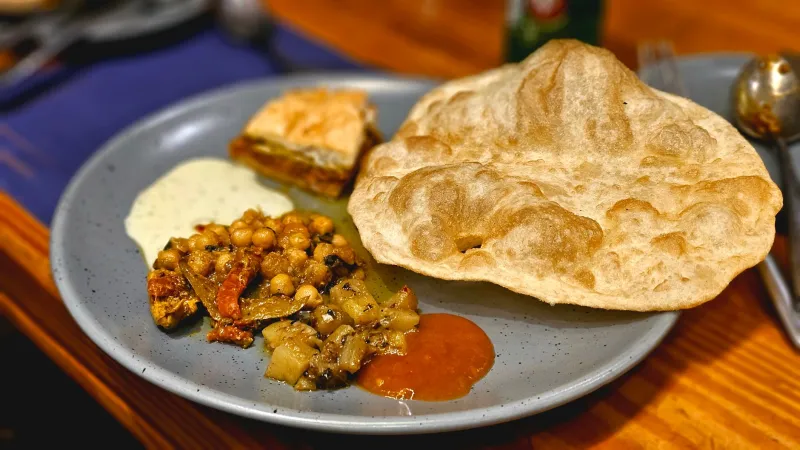
There's a version of chole bhature for every season. Not because the recipe changes dramatically — it mostly doesn't — but because the dish is more adaptable than most people give it credit for, and the American calendar is full of moments where it fits beautifully.
This isn't about forcing a tradition into spaces where it doesn't belong. It's about recognizing that chole bhature is, at its core, a crowd-feeding, comfort-delivering, completely satisfying meal that works at a backyard party in August just as naturally as it does on a cold February Sunday. You just have to know when to lean into what the season offers.
Here's the full year, month by month.
January & February: The Comfort Season
January is the month of good intentions and very cold kitchens. Chole bhature, with its long-simmered chickpea gravy and hot fried bread, is exactly what you want when it's 18 degrees outside and you're pretending your New Year's resolution still exists.
This is also Super Bowl season. If you've ever tried to explain to non-Indian friends why chole bhature is better than chips and dip, now is your chance to prove it. Make a big pot of chole and a stack of bhature, set it out during the first quarter, and watch it disappear before halftime. It's finger food in the best possible sense — tear off a piece of bhatura, scoop up some chole, done. No utensils required.
February is also when dried chickpeas from the previous harvest are at peak quality in Indian grocery stores. Stock up.
March: Holi and the Season of Sharing
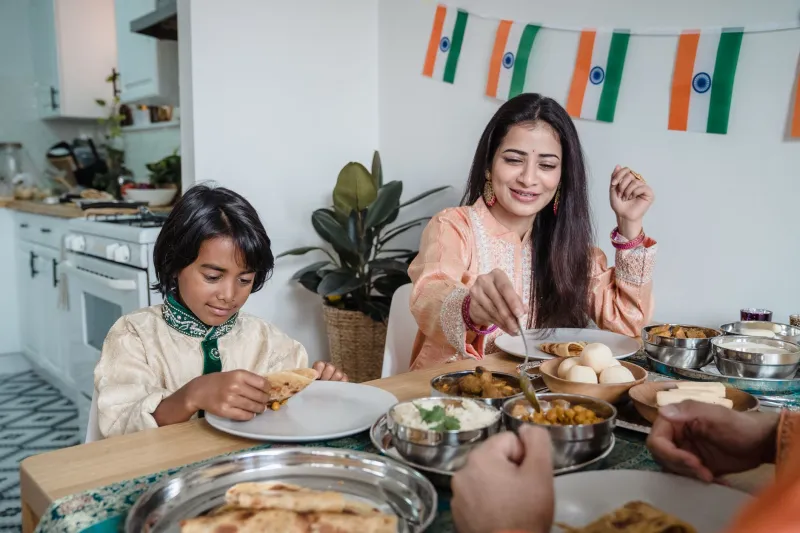
Holi falls in March (or sometimes late February, depending on the lunar calendar), and chole bhature is one of the most traditional Holi foods in North India. There's something fitting about a dish that's messy, celebratory, and meant to be eaten standing up appearing at a festival where everyone ends up covered in color powder.
If you're hosting a Holi gathering, chole bhature is the move. Make the chole the night before — it genuinely improves overnight — and fry the bhature fresh. The timing works perfectly for a midday party.
April & May: Farmers Market Season Begins
Spring farmers markets start opening across most of the US in April and May, and this is when you want to start thinking about what's going to upgrade your chole. Fresh cilantro from a local farm has a brightness that grocery store cilantro often lacks. Green onions, spring garlic, and fresh ginger all start showing up, and all of them can find their way into your garnishes and tempering.
May is also a good month to experiment. The weather is mild, you're not sweating over a hot stove, and there's no holiday pressure. Try toasting your whole spices longer. Try a different brand of chole masala. Use May as your test kitchen month.
June: The Backyard Party Problem
Here's the honest truth about chole bhature in summer: frying bhature in a hot kitchen when it's 90 degrees outside is not fun. But the solution isn't to abandon the dish — it's to rethink the format.
For summer outdoor gatherings, consider making chole as the star and pairing it with kulcha (a softer, baked bread) instead of fried bhature. Or embrace the bhature but do all your frying in the early morning before the heat sets in, and serve them at room temperature. They're still excellent.
Chole also works brilliantly as a cookout side dish in a way that surprises people. A big pot of chole next to the grill, some naan or store-bought pita for scooping — it's not traditional, but it's delicious, and your neighbors will ask you for the recipe.
July: Mango Season Is Chole Season
Amchur — dried mango powder — is one of the defining flavors in great chole. July is when fresh Alphonso and Kesar mangoes start appearing at Indian grocery stores across the US, and while you're not going to make your own amchur at home, there's something seasonally right about eating a dish that celebrates mango in a month when mangoes are everywhere.
Serve your chole bhature with fresh sliced mango on the side. It sounds unusual. It's wonderful. The sweet, floral mango cuts through the rich, tangy chole in a way that feels like it was always meant to happen.
August: Stock Your Pantry for the Year
August is pantry month. Indian grocery stores often run late-summer sales, and this is the time to stock up on dried chickpeas, whole spices, and good chole masala before the fall holiday season hits. Buy in bulk. Store your dried chickpeas in airtight containers and they'll keep for a year easily.
August is also when you want to make large batches of chole and freeze them in portions. You'll thank yourself in November.
September & October: Back-to-School, Back to Cooking
September brings a shift in rhythm. School is back, schedules tighten, and weeknight cooking becomes a genuine challenge. This is where your August freezer prep pays off. Frozen chole reheats beautifully — better than almost any other dish — and fresh bhature dough comes together in about 20 minutes. A weeknight chole bhature dinner is genuinely achievable.
October builds toward Diwali, and chole bhature is one of the most common dishes served at Diwali gatherings. Start thinking about quantities. If you're hosting 20 people, you need to start your chickpeas soaking the night before and have a plan for frying bhature in batches.
November: Diwali and Gratitude
Diwali falls in October or November, and chole bhature is central to how many North Indian families celebrate. But November also brings Thanksgiving, and here's an underrated move: make chole bhature as a Friendsgiving dish for a crowd that's never had it.
The dish feeds a crowd efficiently, it holds well in a Dutch oven over low heat, and it creates the kind of memorable food moment that people talk about for years. "Remember when Ananya brought that incredible chickpea thing to Thanksgiving?" Yes. That's you.
December: The Slow Sunday
December is cold, it's dark early, and the holidays are both exciting and exhausting. This is the month for slow, unhurried chole bhature — the kind where the chickpeas cook low and long, where you add the tempering in stages, where you're not rushing anywhere.
There's also something quietly meaningful about cooking a dish rooted in Indian street food tradition on a December Sunday in an American kitchen, with holiday lights strung up outside and the smell of cumin and coriander filling the house. Two worlds, one kitchen, one very good meal.
The Through Line
What this calendar makes clear is something that street food vendors in Delhi have always known: good food doesn't belong to a season. It belongs to whoever is hungry. Chole bhature travels through the American year not because it's been adapted into something new, but because it was always flexible enough to meet you wherever you are.