Shopping Smart: What a Well-Stocked Indian Grocery Actually Looks Like (And How to Spot One That Isn't)
There's a version of this story a lot of Indian Americans know well. You drive twenty minutes to the nearest Indian grocery, load up your cart with chickpeas, spices, and atta, go home, cook everything the way you always have — and something is just off. The chole tastes muddy. The bhature won't puff. The whole meal feels like a lesser version of itself.
Nine times out of ten, the recipe isn't the problem. The store is.
Not in a dramatic, health-code-violation way. Just in the quiet, mundane way that happens when a shop prioritizes turnover over quality, or when stock sits on shelves longer than it should, or when the buyers don't actually cook the food they're selling. It happens everywhere — in strip mall Indian grocers, in big South Asian supermarkets, and yes, even in stores that look impressive from the outside.
So how do you tell the difference? You learn what to look for.
Start With the Spices — They'll Tell You Everything
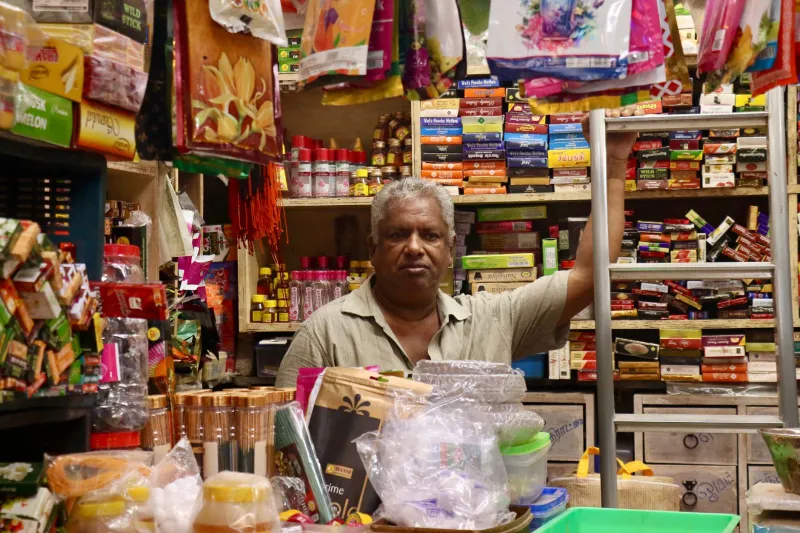
The spice aisle is your first and most reliable diagnostic. Indian cooking lives and dies on spice quality, and a store that handles its masalas well is almost certainly doing other things right too.
First, look at the packaging dates. Whole spices like coriander seeds, cumin, and black cardamom hold their potency longer than ground ones, but even they go stale. Ground spices — your amchur, your black salt, your chole masala blends — have a much shorter window. If you're seeing packages with print dates more than a year old sitting on a front-facing shelf, that's a flag.
Next, if the store sells loose or bulk spices, give them a sniff if you can. Fresh cumin smells sharp and almost citrusy. Stale cumin smells like dust. Fresh coriander powder has a warm, slightly floral scent. Old coriander powder smells like nothing. Your nose is a better instrument than any label.
Finally, look at the color. Good Kashmiri red chili should be deeply, almost aggressively red — not faded orange. Turmeric should be vivid yellow, not beige. Color fade usually means light exposure, which means improper storage, which means the store isn't paying attention.
The Chickpea Situation Is More Complicated Than You'd Think
Kabuli chana — the large, pale chickpeas you need for proper chole — seems like a simple product, but it varies more than most people realize. The main things to check: size consistency, skin integrity, and age.
Size matters because chickpeas of wildly different sizes cook unevenly. You'll have some that turn to mush while others are still chalky in the center. A bag where most of the chickpeas look similar in size is a good sign that someone upstream cared about sorting and grading.
Skin integrity is easy to assess. Look through the bag (most are clear or semi-transparent) for chickpeas with wrinkled, broken, or peeling skins. A few here and there is normal. A lot of them suggests the batch is old or was stored poorly — and old chickpeas absorb water differently, cook less evenly, and often taste flat no matter what you do to them.
Age is harder to determine from a package, but a store with high turnover in the dry goods section is your best bet. Look at whether the shelves are well-stocked but not over-stocked. A store that keeps restocking fresh product is better than one that bought a massive pallet two years ago and is still working through it.
Atta Is Not All the Same, and the Good Stuff Is Worth Finding
Whole wheat flour — atta — is the foundation of bhature dough (along with maida), and the quality range is genuinely wide. Cheap atta is often coarser, less finely milled, and produces dough that's harder to work with and bread that's denser and less flavorful.
The best atta for bhature is finely milled and has a slightly creamy, off-white color. It should feel soft and almost silky when you rub it between your fingers, not gritty. If a store carries multiple brands, it's worth comparing the texture right there in the aisle.
Also notice whether the store refrigerates or keeps its flours in a cool area. Atta contains natural oils from the wheat germ, and those oils go rancid in heat. A store that keeps its flour near a heat vent or in a warm corner is shortening the shelf life of every bag it sells.
Oil Quality: The Detail Most Shoppers Skip
Mustard oil is traditional in a lot of North Indian chole preparations, and it's worth paying attention to the options a store carries. Look for cold-pressed or kachi ghani mustard oil — the label should say this directly. Refined mustard oil exists and is milder, but it lacks the sharp, pungent quality that gives authentic chole part of its character.
Also check whether the store carries a range of cooking fats, including good-quality ghee. Ghee varies enormously. A store that stocks only one generic brand is telling you something about its priorities. A store with a few options — including at least one that emphasizes grass-fed or small-batch production — is telling you something different.
What the Produce Section Reveals
Fresh ginger and garlic are non-negotiable in chole, and the produce section is a quick read on how a store operates overall. Ginger should be firm, not soft or shriveled. The skin should look tight. Soft ginger means it's been sitting too long or was stored improperly — it'll have less punch and more water content.
Garlic should feel hard when you press the bulb. Soft or hollow cloves are past their prime. Green sprouts emerging from the top mean the garlic is very old. Fresh curry leaves — if the store carries them — should be bright green and fragrant, not yellowed or dried out on the shelf.
A produce section with sad, aging vegetables is a store that isn't moving product fast enough. That slowness affects everything else on the shelf too.
How to Use All of This
You don't need to do a full audit every time you shop. Once you've walked through a store with this lens a couple of times, you'll develop a quick instinct for it. The spice aisle takes thirty seconds. The chickpea bags take another thirty. The atta, a minute.
And when you find a store that does most of these things well — fresh spices, quality chickpeas, good atta, real ghee — hold onto it. Tell people about it. Go back. These stores exist in most mid-to-large US cities, and they're worth the extra drive.
Because here's the thing: you can follow a recipe perfectly, use the right technique, cook with patience and care — and still end up with chole that doesn't taste like it should. The ingredients matter that much. And knowing how to pick them is half the cooking.