Getting Kids to the Table: How Indian Families Make Chole Bhature Work for Picky Eaters
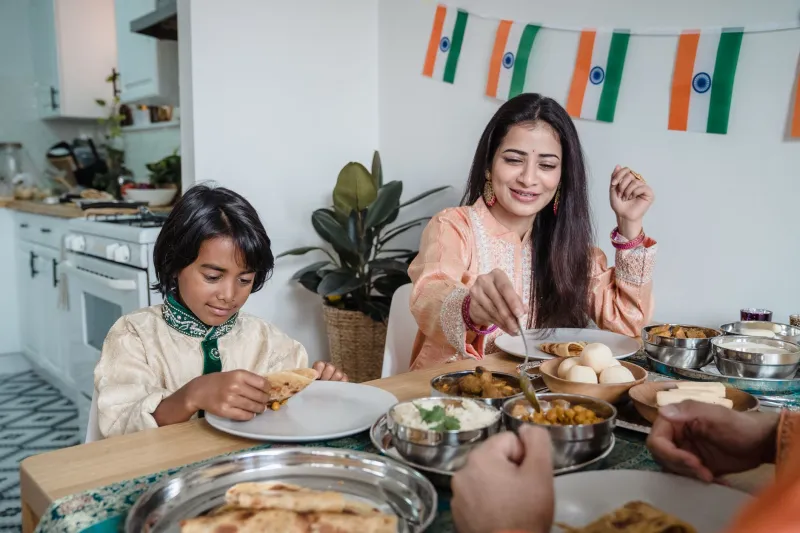
Priya's daughter, who is seven, will eat exactly three things without complaint: plain pasta, buttered toast, and — somewhat inexplicably — chole bhature. Not just the bhature. The whole thing, chickpeas and all.
"She asked for it at a party when she was four," says Priya, who lives outside of Chicago. "She just kept eating. I didn't question it. I just started making it every week."
This story is more common than you'd think. Chole bhature, which many adults assume is too rich or too spiced for children, has a quiet reputation in Indian American households as a surprisingly kid-friendly dish — when it's made the right way. The key phrase there is the right way, and that's where things get interesting.
The Spice Conversation Nobody Actually Has
The most common assumption about adapting Indian food for kids is that you just turn down the heat. Less chili, milder chole masala, done. And while that's part of it, the families who've had the most success with this say the spice level is almost secondary to something else: texture and visual presentation.
"My son doesn't care about heat," says Deepak, a dad in the Bay Area whose kids are six and nine. "He cares whether the chickpeas are mushy. If they're mushy, he won't touch it. If they have some structure, he eats the whole bowl."
This tracks with what we know about how children experience food. Kids are often more sensitive to mouthfeel than adults — they notice the way something breaks down (or doesn't) under their teeth. Chole that's been cooked just past the point of ideal tenderness, which might be fine for adult palates, can be a dealbreaker for a kid.
The fix is counterintuitive: cook the chickpeas slightly less than you normally would for adult servings. They should be fully tender but still hold their shape firmly when pressed. It sounds like a minor adjustment, but parents who've made this change report dramatically different reactions from their kids.
What Indian Grandmothers Actually Do
The real wisdom here doesn't come from parenting blogs or food science — it comes from grandmothers who have been feeding skeptical kids for decades.
Sunita, a grandmother in New Jersey who has been making chole bhature for her grandchildren since they were toddlers, has a system she describes as "building the dish in layers."
"I make one pot of chole," she explains. "Before I add the final tempering — the kashmiri mirch, the extra amchur — I take out a portion for the kids. Their portion gets a small tadka with just cumin and a tiny bit of coriander. Then I finish the rest the proper way for the adults."
This approach — splitting the dish before the final seasoning step — is something several grandmothers and parents mentioned independently. It's elegant because it doesn't require a separate recipe. You make one batch, you diverge at the end, and everyone eats together.
Another technique Sunita swears by: adding a small spoonful of unsalted butter to the kids' portion just before serving. "It rounds everything out. The sharpness softens. Kids love fat — they just don't know that's why they like it."
The Bhature Question
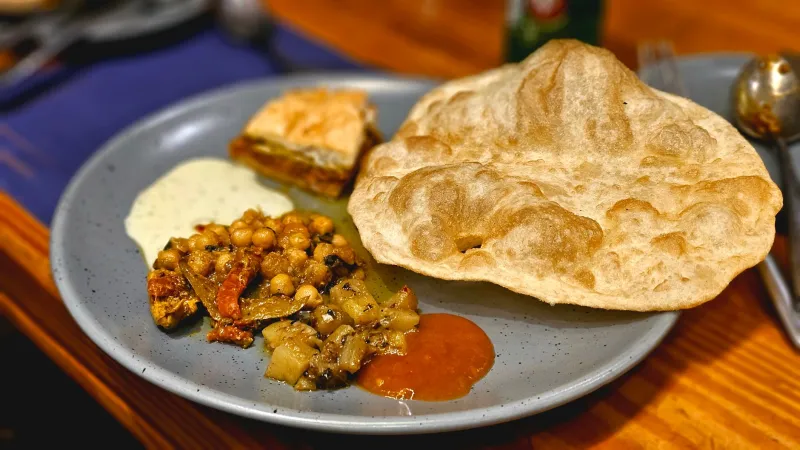
Here's something that surprises a lot of people: kids almost universally love bhature. The puffy, golden, slightly chewy bread is about as close to a fun food as Indian cuisine gets. It tears. It puffs. You can rip pieces off and dip them. For a six-year-old, this is basically performance art.
The challenge with bhature and kids isn't usually flavor — it's size and temperature. Fresh bhature straight from the oil are extremely hot, and the exterior can be crisp in a way that some kids find off-putting. A few parents mentioned letting the bhature cool for just two or three minutes before serving to kids, and cutting them into smaller pieces rather than serving them whole.
"I cut them into wedges like a pizza," says Meera, a mom in Austin. "Suddenly my five-year-old thinks it's the greatest food on earth. Same bhature, same recipe, just cut differently."
Some families also make slightly smaller bhature for kids — using less dough per piece so the bread is more manageable. This is a technique that feels obvious in retrospect but isn't mentioned in any recipe we've seen.
The Presentation Factor
Indian American parents who've successfully integrated chole bhature into family dinners consistently mention one more thing: how the dish is served matters as much as how it's cooked.
The traditional presentation — a whole bhatura flopped over a bowl of chole, maybe with some raw onion and a green chili on the side — is great for adults. For kids, it can look like a lot. The onion might be suspicious. The green chili is alarming. The whole thing is unfamiliar.
Simple adjustments help: serve the chole and bhature separately so kids can explore each component on their own terms. Skip the raw onion and green chili on the kids' plate. Add a small bowl of plain yogurt as a dipping sauce or a cooling side — kids who find the chole a little too tangy or spiced often self-correct by adding yogurt.
"I put out little bowls of toppings and let them build their own plate," says Deepak. "They feel like they have control. My son started adding onion on his own after about six months. Now he asks for it."
Why This Matters Beyond the Dinner Table
There's something worth sitting with in all of this. Indian American parents adapting chole bhature for their kids aren't watering down their culture — they're doing what every generation of cooks has always done. They're keeping the dish alive by making it work for the people at their table.
Street food recipes have never been fixed. The vendor who pushes his cart through a neighborhood adjusts his masala based on who's buying. The grandmother who feeds her grandchildren has always known that the goal isn't rigid replication — it's getting everyone fed and happy and coming back for more.
The families who've figured this out aren't compromising. They're carrying the tradition forward in the most practical way possible: one picky eater at a time.