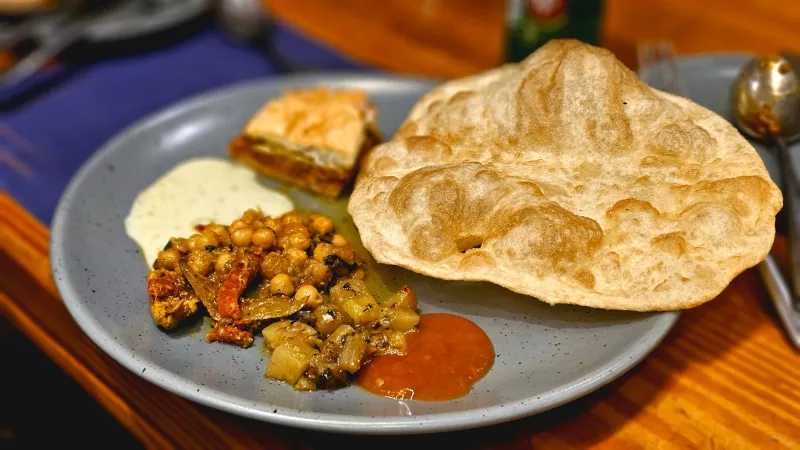
One Dish, Many Kitchens: A Regional Deep Dive into India's Most Beloved Chickpea and Bread Combo
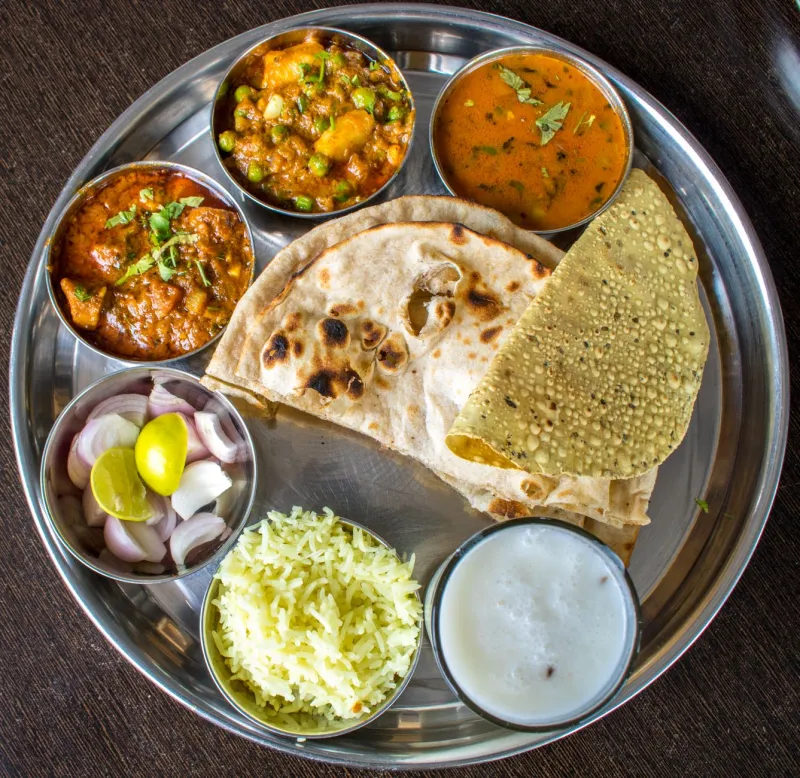
Ask ten Indians to describe chole bhature and you'll get ten different answers. Some will tell you it's the dark, almost black chole served at Sita Ram Diwan Chand in Old Delhi, where the chickpeas are simmered with tea bags and whole spices until they're nearly unrecognizable. Others will describe a brighter, tangier version with a thinner gravy that's common in Amritsar. Someone from Uttar Pradesh will mention a sweeter spice profile, and a home cook from Himachal Pradesh might describe a chole so simple it barely resembles what you'd find at a Delhi dhaba.
This is what makes chole bhature endlessly fascinating: it's not one dish. It's a family of dishes, shaped by geography, history, and the particular genius of regional Indian cooking traditions. If you've only ever made or eaten one version, you're missing most of the story.
This guide is your starting point.
Why Regional Differences Exist in the First Place
Before we get into specific recipes, it helps to understand why chole bhature varies so dramatically across a relatively compact geographic area. A few factors are at play.
Spice availability and local flavor preferences vary enormously even within North India. The cooking of the Punjab — both Indian and Pakistani — tends toward bold, warming spices like black cardamom, cinnamon, and generous amounts of dried pomegranate seed (anardana), which gives Punjabi chole its distinctive sourness. Delhi's version, shaped by the convergence of Mughal, Punjabi, and street-food cultures, often goes darker and more bitter, relying on tea or dried amla for color and depth.
Fermentation techniques for bhatura dough differ too. Some cooks use yogurt alone. Others add a pinch of baking soda or baking powder. A few traditional recipes call for a small amount of semolina (sooji) to give the bhatura a slightly different chew. The length of resting time — anywhere from 30 minutes to several hours — changes the texture dramatically.
Historical migration patterns also played a huge role. After Partition in 1947, large numbers of Punjabis relocated to Delhi, bringing their cooking traditions with them and blending them into the existing food culture of the city. What emerged was the Delhi-style chole bhature we now think of as the "classic" version — though it's really a hybrid.
Regional Variation 1: Old Delhi-Style Chole (The Dark, Dramatic One)
This is the version that most people in the US have in mind when they say chole bhature. It's defined by its almost black gravy, achieved through the addition of tea bags or dried amla during cooking, and a spice blend that's heavy on whole spices bloomed in oil.
Ingredients (Serves 4)
- 2 cups dried chickpeas, soaked overnight
- 2 black tea bags
- 1 dried amla (Indian gooseberry), optional but traditional
- 2 tbsp neutral oil or ghee
- 2 medium onions, finely chopped
- 1 tbsp ginger-garlic paste
- 2 tsp chole masala (store-bought is fine; Everest or MDH work well)
- 1 tsp cumin seeds
- 2 black cardamom pods
- 1-inch cinnamon stick
- 1 tsp dried mango powder (amchur)
- Salt to taste
- Fresh cilantro, sliced ginger, and green chiles for garnish
Method
- Drain soaked chickpeas and add to a pressure cooker with fresh water, tea bags, and dried amla if using. Cook on high pressure for 20–25 minutes until completely soft. Remove tea bags and amla.
- Heat oil in a heavy-bottomed pan. Add cumin seeds, black cardamom, and cinnamon. Let them sputter for 30 seconds.
- Add onions and cook over medium-high heat until deeply golden — don't rush this, it takes 12–15 minutes and is essential to the flavor.
- Stir in ginger-garlic paste and cook another 2 minutes. Add chole masala and a splash of water to prevent burning.
- Add cooked chickpeas along with some of their cooking liquid. Simmer 15–20 minutes until the gravy thickens and darkens. Finish with amchur and salt.
- Garnish generously and serve immediately with hot bhature.
Key flavor note: The tea gives this version its color and a subtle bitterness. Don't skip it.
Regional Variation 2: Punjabi Chole with Anardana (Tangy and Rustic)
This is the version you're more likely to find at a roadside dhaba outside Ludhiana or Jalandhar than in a Delhi restaurant. It's brighter in color, more aggressively sour, and relies heavily on dried pomegranate seeds for its signature tang.
Ingredients (Serves 4)
- 2 cups dried chickpeas, soaked overnight
- 3 tbsp mustard oil (strongly recommended for authenticity)
- 1 large onion, roughly chopped
- 2 medium tomatoes, pureed
- 1 tbsp ginger paste
- 1.5 tsp anardana powder (dried pomegranate seed powder)
- 1 tsp Kashmiri red chili powder
- 1 tsp coriander powder
- 0.5 tsp turmeric
- 1 tsp garam masala
- Salt to taste
- Julienned raw ginger and onion rings to serve
Method
- Pressure cook chickpeas until tender, about 20 minutes. Reserve cooking liquid.
- Heat mustard oil in a kadai until it just begins to smoke, then reduce heat. This removes bitterness from the oil.
- Add onions and cook until golden. Add ginger paste and cook 1 minute.
- Pour in tomato puree and cook until oil separates — about 8 minutes.
- Add all dry spices except garam masala. Stir well, cook 2 minutes.
- Add chickpeas and enough cooking liquid to make a medium-thick gravy. Simmer 15 minutes.
- Finish with garam masala and anardana. Adjust salt and sourness.
Key flavor note: Mustard oil is non-negotiable here. It gives this version its pungent, earthy backbone that vegetable oil simply can't replicate.
Regional Variation 3: Amritsari Bhature (Fermented Overnight Dough)
While chole recipes vary, the bhatura is equally important — and Amritsari bhature have their own distinct character. They're slightly chewier than Delhi-style, with a more pronounced fermented flavor, because the dough is traditionally left overnight rather than for just an hour or two.
Ingredients (Makes 8 bhature)
- 2 cups all-purpose flour (maida)
- 0.25 cup semolina (sooji/rava)
- 0.5 cup plain whole-milk yogurt
- 1 tsp sugar
- 0.5 tsp salt
- 0.25 tsp baking soda
- Water as needed
- Oil for deep frying
Method
- Combine flour, semolina, sugar, salt, and baking soda. Add yogurt and mix.
- Knead into a soft, slightly sticky dough, adding a little water if needed. The dough should be softer than roti dough.
- Cover and rest at room temperature for at least 4 hours, or overnight in the refrigerator.
- Divide into 8 balls. Roll each into an oval about 7–8 inches long and not too thin.
- Heat oil to 350°F in a deep pan. Fry one bhatura at a time, spooning hot oil over the top to encourage puffing.
- Drain briefly and serve immediately — bhature deflate quickly, and that's fine.
Key flavor note: The semolina adds a subtle graininess and helps the bhatura hold its puff slightly longer.
Regional Variation 4: Himachali-Style Chole (Simple, Lighter, Unexpected)
This version might surprise you. In the hill regions of Himachal Pradesh, chole is often made without the heavy spice blends associated with Punjabi cooking. It's simpler, lighter, and leans on fresh ingredients.
Quick Method
Cook soaked chickpeas until tender. In a pan, heat ghee and add a pinch of asafoetida (hing), cumin, and a couple of dried red chiles. Add finely chopped tomatoes, a little ginger, turmeric, and salt. Simmer briefly, add chickpeas, and cook until everything comes together. Finish with fresh lemon juice and chopped cilantro. Serve with plain puri rather than bhatura.
This version lacks the drama of Delhi-style chole but has a clean, honest flavor that's deeply satisfying in a different way.
Tips for Cooking Regional Variations at Home in the US
- Source your spices carefully. Anardana, black cardamom, and dried amla are all available at Indian grocery stores and on Amazon. Don't substitute — these ingredients make or break regional authenticity.
- Don't skip the pressure cooker. Dried chickpeas cooked from scratch have a superior texture and flavor compared to canned. If you're short on time, canned works, but reduce your simmering time and adjust salt.
- Temperature matters for frying bhature. Oil that's too cool gives you greasy, flat bread. Too hot and the outside browns before the inside cooks. 350°F is your target.
- Let the dough rest. Whether it's 2 hours or overnight, resting time is when fermentation and gluten development happen. Rushing it will give you tough bhature.
The Bigger Picture
Cooking through these regional variations is a genuinely revelatory experience. What starts as a familiar dish keeps revealing new dimensions — a sourness you didn't expect, a smokiness from mustard oil, a simplicity that somehow tastes more complex than the elaborate version. That's the nature of Indian regional cooking: the deeper you go, the more there is to find.
Start with one version. Then try another. Compare them side by side if you're feeling ambitious. You'll come away with a much richer understanding of not just chole bhature, but of how a dish absorbs the character of the place and people that make it.
And you'll have a very good reason to invite people over for Sunday brunch.