Your Bhature Dough Isn't Just Rising — It's Transforming. Here's What That Means.
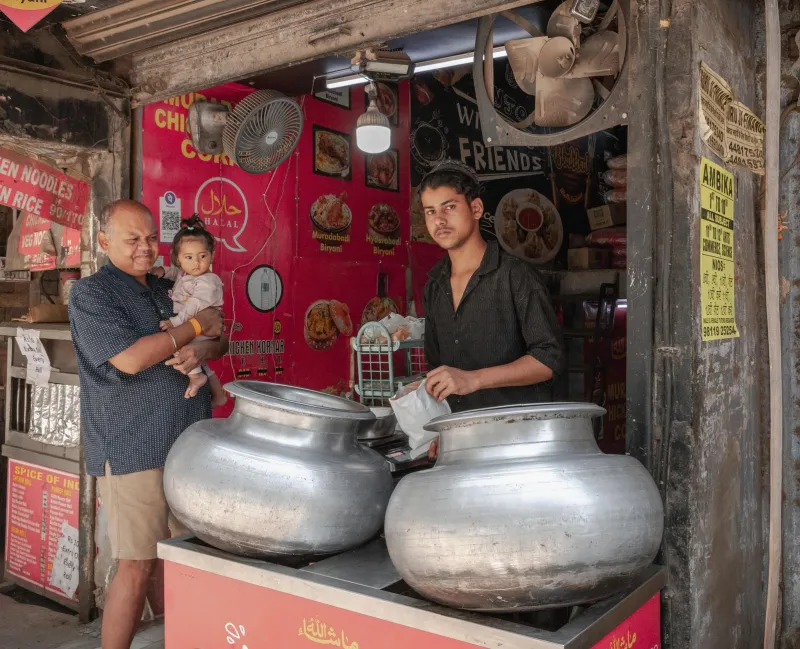
There's a guy in Amritsar who's been making bhature since before most of us were born. Ask him his secret and he'll shrug, wave his hand, and say something like zyada time deta hoon — I give it more time. That's it. No special flour, no fancy technique. Just time.
Most recipes you'll find online — and even in cookbooks — treat bhature dough like pizza dough on a tight deadline. Mix it, let it sit an hour, fry it up. And yeah, it works. You'll get bhature. But they won't have that slight tang, that chewy-yet-airy interior, that almost creamy pull that makes you want to eat six of them before the chole even hits the plate.
The difference isn't a missing ingredient. It's fermentation — real fermentation, not just yeast doing its minimum viable work.
What's Actually Happening in There
Bhature dough is typically made with maida (all-purpose flour), a little semolina for texture, yogurt, a pinch of baking soda or baking powder, and sometimes a touch of sugar. No yeast. And yet, it ferments. That's because yogurt is alive — full of lactic acid bacteria that, given enough time and the right temperature, start breaking down the starches and proteins in your flour.
In the first hour or two, you're mostly just seeing gluten relax. The dough gets softer, easier to stretch, less likely to spring back when you roll it. That's useful, but it's just the warm-up act.
Between two and six hours, the lactic acid bacteria start doing serious work. Sugars get consumed, acids accumulate, and the dough develops a subtle sourness that you probably won't even consciously taste — but you'll feel it. It rounds out the flavor and gives the finished bhature a depth that fresh dough just can't replicate.
Overnight — eight to twelve hours — is where the magic compounds. The gluten structure becomes more extensible, the dough handles beautifully, and the flavor is noticeably more complex. The fried bhature will have better color, a more layered interior, and that signature slight tang that makes the whole dish feel complete.
Go past eighteen hours and you're in advanced territory. The dough gets noticeably sour, which some people love and some people don't. It also gets stickier and a little harder to work with. Worth trying once, but not everyone's preference.
The Timeline That Actually Works for American Home Cooks
Here's the practical breakdown, designed around a US kitchen schedule:
Same-day (1-2 hours): This is the minimum. Your bhature will fry up fine and puff properly, but flavor is pretty neutral. Good in a pinch, but not what the vendors are doing.
Afternoon-to-dinner (4-6 hours): This is the sweet spot for weeknight cooking. Mix your dough around noon, leave it on the counter, start frying around 6 PM. You'll notice a real difference in texture and a subtle but pleasant flavor shift.
Overnight refrigerator ferment (8-12 hours): Mix the night before, cover tightly, refrigerate. Pull it out 30-45 minutes before you're ready to fry so it can come back to room temperature. This is the method that most closely mimics what street vendors do in cooler overnight conditions. The cold slows fermentation just enough that the dough doesn't over-ferment, and you wake up to something that's genuinely special.
The two-day method (24-36 hours, refrigerated): For weekends when you're planning ahead. The dough will be noticeably tangy and a little more slack. You may need to dust your rolling surface more generously. The flavor is bold and excellent — not everyone's preference, but worth experiencing.
Climate Is a Real Variable — Don't Ignore It
If you live in Phoenix or Houston, your kitchen in July is a different universe than an apartment in Chicago in February. Fermentation is temperature-sensitive, and what takes eight hours in a 68°F kitchen might take four hours in an 80°F one.
Hot kitchens (above 75°F): Fermentation moves fast. Watch your dough after three or four hours. If it smells noticeably sour and the surface looks slightly wet or bubbly, it's ready — or close to over-fermented. In summer, refrigerating the dough after the first hour of room-temperature rest is a smart move.
Cool kitchens (below 65°F): Fermentation slows significantly. Your overnight dough might need twelve to fourteen hours instead of eight. You can also set the covered bowl inside your oven with just the oven light on — that gentle warmth (usually around 75-80°F) creates a perfect fermentation environment.
Dry climates: The surface of your dough can dry out and form a crust that inhibits fermentation. Make sure your bowl is tightly covered with plastic wrap pressed directly against the dough surface, not just draped over the bowl.
The Yogurt Question
The type of yogurt you use matters more than most recipes admit. Full-fat plain yogurt — the regular kind, not Greek — is closest to what's used in traditional bhature. Greek yogurt works but it's thicker and more acidic, which can accelerate fermentation and make your dough slightly harder to work with.
If you're using Greek yogurt, thin it slightly with a tablespoon or two of water and reduce the fermentation time by about 20%. If you're using a low-fat yogurt, expect slower fermentation and a slightly less flavorful result.
Fresh homemade yogurt, if you make it, is excellent. It tends to be milder and the bacterial cultures are more active, giving you a clean, lactic tang in the finished bhature.
Signs Your Dough Is Ready (And Signs It's Gone Too Far)
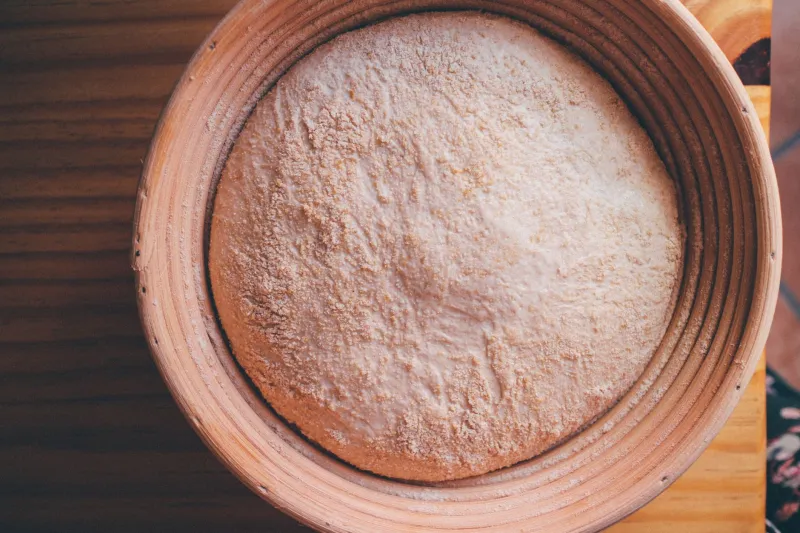
Ready: The dough has increased in volume by about 50%, feels soft and slightly tacky but not sticky, smells pleasantly sour like good yogurt, and stretches smoothly without tearing.
Over-fermented: The dough is very sticky, smells sharp or almost alcoholic, collapses when you poke it instead of slowly springing back, and the surface may look slightly gray or wet. Over-fermented dough can still be used — fold in a small pinch of baking soda and let it rest 15 minutes — but the texture of the finished bhature will be denser.
Under-fermented: The dough is stiff, snaps back when you try to roll it, and smells like raw flour. Give it more time, or move it somewhere warmer.
One Last Thing
This isn't complicated, and it doesn't require any special equipment. It just requires a little planning and a willingness to let the dough do its thing without rushing it. The vendors who've been feeding hungry people outside Delhi metro stations and Amritsar dhabas for decades aren't working with anything you don't have access to. They're just working with time.
Mix your dough the night before. Stick it in the fridge. Wake up, make your chole, let the dough come to room temperature while the chickpeas finish. Then fry.
You'll know immediately that something is different. And you'll never go back to the one-hour version.