What Your Tap Water Is Doing to Your Chickpeas (And How to Fix It)
Here's something nobody tells you when you're standing in the Indian grocery aisle, dried chickpeas in hand, feeling confident about your weekend chole project: the water you soak those beans in matters almost as much as how long you soak them. And if you live in Las Vegas, Chicago, or Houston — versus, say, Seattle or Portland — you are working with an entirely different ingredient when you turn on that tap.
This isn't food science gatekeeping. It's genuinely useful stuff that explains why your chole sometimes comes out silky and why it sometimes stubbornly refuses to soften no matter how long you cook it. Let's get into it.
The Basic Biology of a Chickpea Sitting in Water
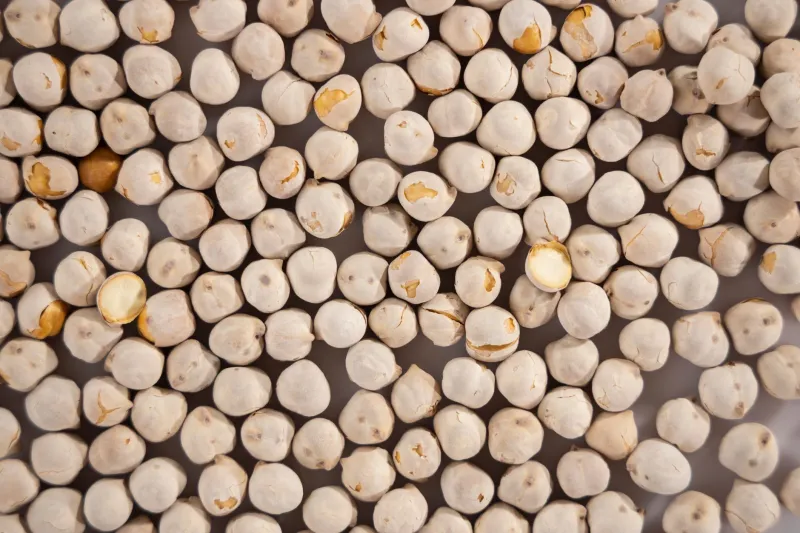
A dried chickpea is, at its core, a seed in survival mode. The outer seed coat — called the testa — is designed to keep the interior dormant and protected. When you submerge that chickpea in water, you're triggering a controlled hydration process. Water molecules push through the seed coat, the cotyledons (the starchy interior) begin absorbing moisture, and the whole structure starts to loosen up in preparation for germination or, in our case, a long hot bath in a pot of spiced broth.
The goal of soaking is to get water into the center of the bean uniformly. Uneven hydration means uneven cooking — some chickpeas turn to mush while others stay chalky in the middle. That's frustrating when you're going for that perfect thick, creamy chole texture.
But here's where it gets interesting: the water itself either helps or fights that process depending on what's dissolved in it.
Hard Water vs. Soft Water: A Real Problem for Real Cooks
Water hardness refers to the concentration of dissolved minerals, primarily calcium and magnesium. Hard water is loaded with these minerals; soft water has very little. The USGS classifies water above 120 mg/L as "hard" — and a huge swath of the American Southwest, Midwest, and Southeast falls into that category.
Phoenix tap water regularly clocks in above 200 mg/L. San Antonio and Las Vegas are similarly mineral-heavy. Meanwhile, cities like Seattle and Portland pull from mountain snowmelt and sit well below 50 mg/L.
Why does this matter for chickpeas? Calcium ions interact with pectin — the structural compound in legume cell walls — and actually reinforce those cell walls rather than helping them break down. You're essentially soaking your chickpeas in a solution that's actively working against softening. The minerals bind to pectin, making it harder for the bean's interior to fully hydrate and for heat to later break down the texture during cooking.
If you've ever followed a recipe to the letter and still ended up with weirdly firm chickpeas, hard water might be the culprit nobody mentioned.
The pH Factor: Why Alkalinity Changes Everything
Most US tap water is slightly alkaline, typically sitting between 7.5 and 8.5 on the pH scale. This is intentional — water treatment facilities raise pH to prevent pipe corrosion. But alkaline water actually helps legume softening, which is why adding baking soda to your soak water became a thing.
Baking soda (sodium bicarbonate) raises the pH of your soaking liquid, which breaks down pectin more efficiently and allows water to penetrate the seed coat faster. A small amount — we're talking about half a teaspoon per quart of water — can meaningfully reduce soaking time and improve final texture.
The catch? Too much baking soda and you'll taste it. The chickpeas take on a slightly soapy, flat quality that no amount of amchur or anardana can fully cover. A light hand matters here.
Acidic soaking environments do the opposite. If your water source leans acidic (rare in municipal supplies but possible with some well water in the Northeast and Pacific Northwest), pectin stays stubbornly intact and your beans take longer to soften. Same deal if you add tomatoes or tamarind directly to your cooking water too early — save the acidic ingredients for after the chickpeas have fully softened.
The Timing Window: When Soaking Becomes a Problem
Most recipes say "soak overnight" and leave it at that. Eight hours is a reasonable default, but the actual useful range is somewhere between six and fourteen hours at room temperature — after that, you start running into diminishing returns and, in warm kitchens, early fermentation.
Here's a rough breakdown of what's happening at each stage:
- 0–2 hours: Water is penetrating the outer coat. The chickpea visibly plumps but the interior is still mostly dry.
- 2–6 hours: Hydration moves into the cotyledons. This is where the real absorption happens.
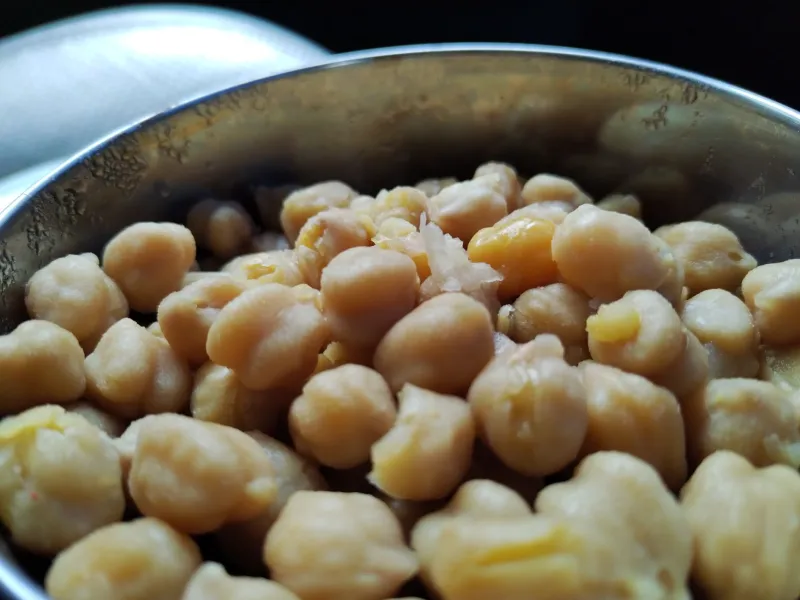
- 6–12 hours: Full hydration. The chickpea has roughly doubled in weight and is ready to cook.
- 12–18 hours: Marginal additional hydration. In warm environments (above 75°F), you may start to see slight fermentation — the water gets a little cloudy and slightly sour-smelling.
- 18+ hours: Fermentation risk increases significantly in warm kitchens. The outer coat may start to slip. Refrigerate if you're going this long.
Hot water soaking — bringing your chickpeas to a boil for two minutes, then letting them sit for an hour — can compress this timeline dramatically. The heat ruptures the seed coat faster, allowing rapid hydration. This is a legitimate shortcut when you forget to soak the night before.
Practical Fixes by Water Type
If you're in a hard water city (Phoenix, Las Vegas, Dallas, Houston, San Antonio): Consider using filtered water for your soak, or add a pinch of baking soda to counteract mineral interference. Your cooking time may still run longer than recipes suggest — factor in an extra 15–20 minutes in the pressure cooker and don't be surprised.
If you're in a soft water city (Seattle, Portland, Denver, Minneapolis): Your baseline soaking conditions are actually pretty good. Standard overnight soaking should work well. You may not need baking soda at all.
If you're using well water: Test your water's hardness — inexpensive test strips are available at hardware stores. Well water can range dramatically and is harder to predict than municipal supplies.
Universal tip: Always discard your soak water and rinse the chickpeas before cooking. Some of the oligosaccharides responsible for digestive discomfort leach into the soaking liquid. Starting with fresh water for cooking is just good practice.
The Real Takeaway
None of this is meant to make chole feel complicated. Chickpeas are forgiving, and generations of cooks made incredible dal and chole long before anyone was testing their water's calcium content. But if you've been troubleshooting texture problems and coming up empty, looking past the recipe and at your actual water supply might be the missing piece.
The best home cooks treat recipes as starting points. Understanding why something works — or why it's not working in your specific kitchen, with your specific water, at your specific altitude — is what turns a decent cook into a confident one.
And confident cooks make better chole. That's just facts.