Pressure Cooker, Instant Pot, or Slow Cooker: Which One Actually Makes the Best Chole?
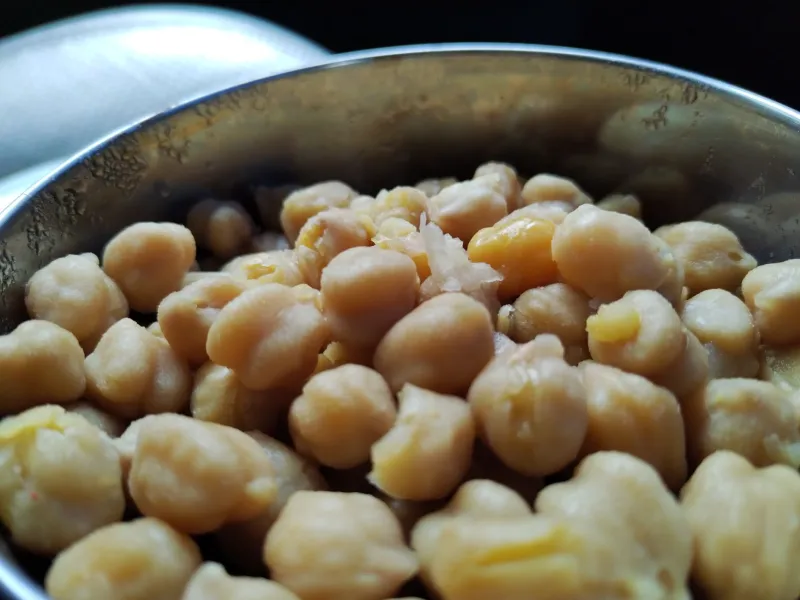
Let's be honest. You've probably stood in your kitchen at some point, staring at a pot of chickpeas that came out either chalky and undercooked or weirdly mushy, wondering what went wrong. You followed the recipe. You soaked overnight. You did everything right — and still, something was off.
Here's the thing: chole isn't just about spices and technique. A huge part of what makes it work is how the chickpeas themselves are cooked. The method you choose affects texture, flavor absorption, and how well the final dish comes together. And in an American kitchen — where you might be working with a stovetop pressure cooker your mom shipped over, a brand-new Instant Pot from Costco, or a trusty slow cooker you haven't touched since last winter — the variables are real.
So we tested all four methods side by side. Same chickpeas, same soak time, same spice base. Here's what we found.
Why Chickpea Cooking Method Even Matters
A chickpea is basically a tiny pressure vessel of its own. It's got a thick outer skin and a dense, starchy interior. To get that perfect chole texture — creamy inside, slightly firm outside, with the skin intact but not rubbery — you need to hit a very specific sweet spot of heat, moisture, and time.
Undercooked chickpeas don't absorb the masala properly. They sit in the gravy like little rocks, tasting separate from everything around them. Overcooked chickpeas turn to mush and make your chole look more like hummus than a proper dish. The method you use determines how quickly you get to that sweet spot, and whether you blow past it.
The Traditional Stovetop Method: Slow, Forgiving, Flavorful
This is how it's been done forever. Soaked chickpeas in a big pot, covered with water, simmered low and slow for two to three hours. No shortcuts, no gadgets.
What you get: beautifully even cooking, chickpeas that absorb flavor gradually, and a cooking liquid that's genuinely rich and worth using in your gravy. The long cook time gives the starches time to fully hydrate, which means each chickpea has a creamy, almost buttery interior.
The downside? It takes forever, and you have to stay somewhat attentive. Also, altitude matters more here than with any other method — if you're in Denver or Salt Lake City, water boils at a lower temperature, which means your cook time could stretch to four hours or more. Not ideal on a Tuesday night.
Best for: Weekend cooking, when you want maximum flavor and don't mind the time investment.
The Stovetop Pressure Cooker: The OG Fast Method
This is what most Indian home cooks grew up with. A sturdy aluminum or stainless steel pressure cooker, the kind that hisses and rattles on the burner. Soaked chickpeas cook in about 20 to 25 minutes once it reaches full pressure.
The science here is simple: pressure raises the boiling point of water from 212°F to around 250°F. Higher temperature means faster starch gelatinization, which means faster cooking. The chickpeas come out tender and well-cooked, though the texture is slightly different from the slow stovetop method — a little more uniform, slightly less nuanced.
The big advantage is consistency. Once you know your cooker, you'll nail the timing every single time. The cooking liquid is also excellent — concentrated and flavorful, perfect for building your gravy base.
One watch-out: don't fill the cooker more than halfway with water and chickpeas. Chickpeas expand and release foam, and a clogged pressure valve is a mess you don't want.
Best for: Weeknight cooking when you want authentic results fast.
The Instant Pot: Convenient, Reliable, and Slightly Different
The Instant Pot has become a staple in Indian-American kitchens, and for good reason. Set it, walk away, come back to cooked chickpeas. For soaked chickpeas, about 35 to 40 minutes on high pressure (with natural release) does the job well.
Here's the nuance: the Instant Pot takes longer to reach pressure than a stovetop cooker, and natural pressure release adds another 15 to 20 minutes. Total hands-off time is actually longer than a stovetop pressure cooker. But — and this is a big but — the hands-off part is completely hands-off. No monitoring, no timing the whistles, no worrying.
Texture-wise, Instant Pot chickpeas are excellent. They're tender and creamy without being mushy, provided you don't overdo the pressure time. The one thing to watch: the Instant Pot tends to produce a slightly thinner cooking liquid compared to stovetop methods, because the sealed environment doesn't allow any evaporation. Compensate by using a little less water than you think you need.
Also worth noting: if you're skipping the soak (it happens), bump the time up to 50 minutes on high pressure with natural release. Not as ideal, but workable.
Best for: Busy households who want reliable results with zero babysitting.
The Slow Cooker: The Underdog Option
Fair warning: the slow cooker is the trickiest method for chickpeas, and it requires one important step most people skip. You must boil your chickpeas for at least 10 minutes on the stovetop before transferring them to the slow cooker. Raw kidney beans and chickpeas contain lectins that need high heat to break down — a slow cooker on low never gets hot enough to do that safely.
Once you've done the boil, transfer to the slow cooker with fresh water and cook on high for 6 to 8 hours. What you get is genuinely beautiful: chickpeas with an incredibly soft, almost velvety interior and a skin that's fully intact. The long, gentle cook gives them a depth of flavor that's hard to replicate.
The downside is obvious — it's an all-day commitment. And if you're adding your masala directly to the slow cooker, know that spices behave differently over long, low heat. Whole spices bloom less; ground spices can turn slightly bitter. Better to build your spice base separately and add it toward the end.
Best for: Sunday meal prep when you want hands-off cooking and exceptional texture.
The Verdict: Which Method Should You Use?
Honestly? It depends on your life, not just your kitchen. Here's the quick breakdown:
- Stovetop traditional: Best flavor, most time, great for weekends.
- Stovetop pressure cooker: Best balance of speed and flavor, great for weeknights.
- Instant Pot: Most convenient, nearly as good, great for busy schedules.
- Slow cooker: Best texture, most time, great for meal prep days.
The one thing all four methods agree on: soak your chickpeas. A minimum of 8 hours, ideally overnight. It reduces cook time, improves texture, and makes the chickpeas more digestible. There's no method that fully compensates for skipping this step.
A Few Troubleshooting Notes for US Kitchens
A couple of things come up constantly when American home cooks make chole:
Hard water: In many US cities, tap water is quite hard (high mineral content). Minerals can actually toughen chickpea skins and prevent them from softening properly. If your chickpeas never seem to get fully tender, try using filtered water for both soaking and cooking.
Old chickpeas: Dried chickpeas from the bulk bin at Whole Foods might have been sitting there for a year. Older chickpeas take significantly longer to cook and may never fully soften. Buy from stores with high turnover, and if in doubt, check the package date.
Altitude: If you're cooking above 3,500 feet, add 5 to 10 minutes to any pressure cooking time and expect stovetop methods to take considerably longer.
Get the chickpea right, and everything else about your chole falls into place. The masala, the gravy, the whole dish — it all starts here.