Salt Smarter, Not More: What Indian Street Vendors Know About Seasoning That Most Home Cooks Don't
There's a moment every home cook knows. You've followed the recipe, tasted the chole, and something is just... off. It's not bland exactly, but it doesn't have that punch — that deep, layered savory quality you get from a good street cart. So you add more salt. And somehow, it still doesn't taste right.
Here's the thing: the problem probably isn't the amount of salt you're using. It's when you're using it, where you're adding it, and what the salt itself is actually doing to your ingredients along the way.
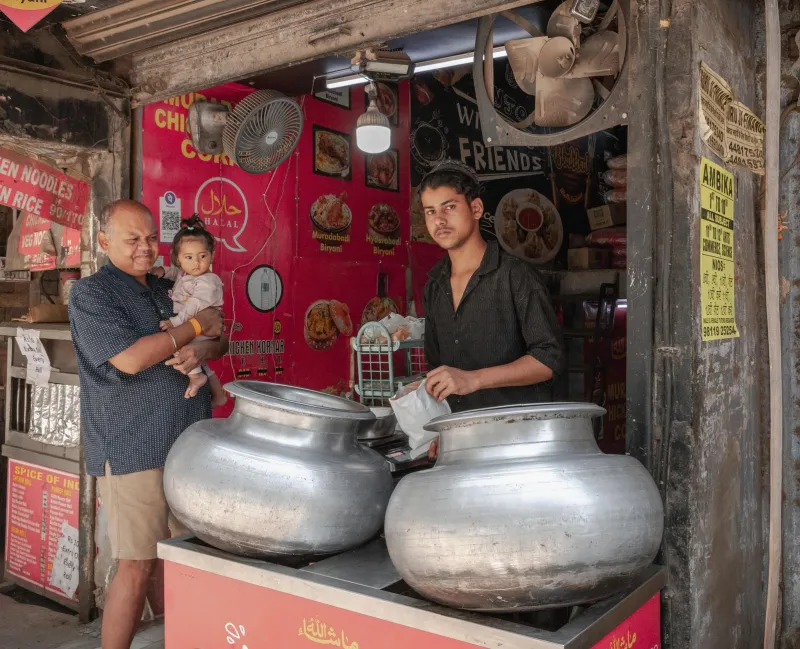
Street vendors who've been making chole bhature for decades don't think about salt the way a recipe card tells you to. They've developed an intuition built on repetition, and when you break that intuition down into actual technique, it turns out there's a lot of real food science holding it up.
Salt and Your Bhature Dough: Timing Is Everything
Let's start with the bread, because this is where a lot of home cooks lose the plot early.
Bhature dough typically contains maida (all-purpose flour), a leavening agent — usually a combination of yogurt and a small amount of baking soda or yeast — and salt. Most recipes tell you to just mix everything together. And that works, technically. But it doesn't work optimally.
Salt is hygroscopic, meaning it pulls moisture toward itself. When you add salt directly to your leavening agent — especially if you're using active yeast or relying on the live cultures in yogurt to do some of the fermentation work — you risk slowing that process down. Salt at high concentrations inhibits microbial activity. Not enough to ruin the dough, but enough to affect how airy and puffed your bhature turns out after frying.
Vendors who make bhature in large batches often add salt after the dough has had a chance to come together and rest briefly. They're not following a written rule — they've just noticed that the dough behaves better this way. For your home kitchen, try mixing your flour, yogurt, and leavening first, letting it sit for five minutes, and then working in the salt. You may notice your dough develops a slightly more elastic texture and your bhature puff more consistently in the oil.
The Mineral Problem Nobody Talks About
Here's something that rarely comes up in cooking discussions but absolutely matters: the water you're using affects how salt behaves in your dough and your chickpeas.
In many US cities, tap water is hard — meaning it contains elevated levels of calcium and magnesium. These minerals interact with both gluten development and legume cooking in ways that can undercut your seasoning. Hard water can make chickpea skins tougher and slow down how quickly they absorb flavor during cooking. It can also interfere with gluten structure in your dough, making it less responsive to fermentation.
This is part of why chole from certain regions of India tastes the way it does — the local water is part of the recipe, even if no one writes it down that way. Street vendors in Delhi aren't adjusting for water hardness consciously, but the water they've always used is baked into the results they expect.
If you're in a city with notably hard water (looking at you, Phoenix, Las Vegas, and parts of Texas), consider using filtered water or even a 50/50 mix of filtered and tap. You'll likely find that your chickpeas cook more evenly, absorb spices more readily, and need less salt overall to taste properly seasoned.
How Vendors Season Chole in Layers — Not All at Once
Now let's talk about the gravy itself, because this is where the real technique lives.
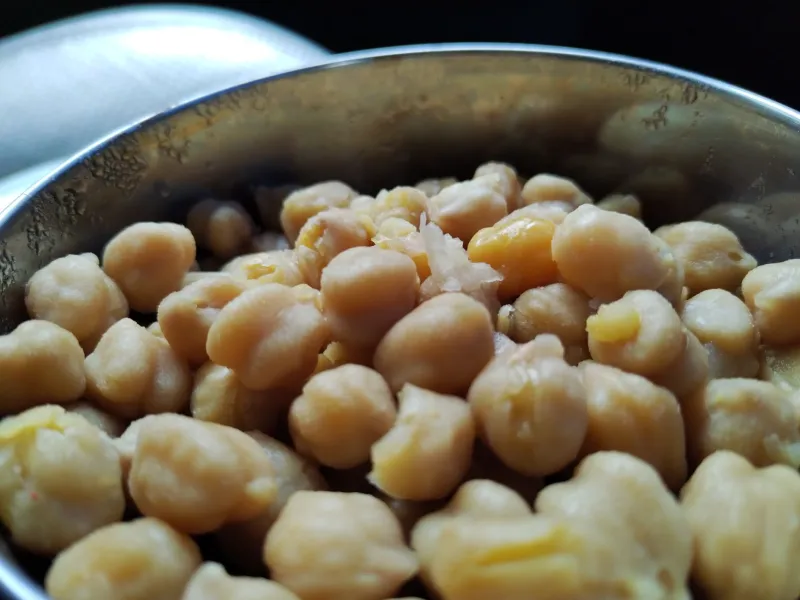
A street vendor making chole isn't salting the dish once at the end. They're building salt into multiple stages. The chickpeas might be cooked with a small amount of salt in the water. The onion-tomato base gets a pinch while it's cooking down. The whole spice blend — your chole masala, amchur, dried pomegranate seeds — carries its own sodium from some components. And then there's a final adjustment at the end.
Each stage of salting serves a different purpose. Salt added during chickpea cooking helps season them from the inside out (yes, this is fine to do as long as the chickpeas are already softened — adding salt too early to undercooked chickpeas is what causes toughening). Salt in the base helps the onions and tomatoes break down and caramelize more effectively. The final adjustment is about balance, not about making something taste salty.
Most home cooks do one big salt dump at the end and then wonder why it tastes flat or one-dimensional. Try splitting your salt across three moments: a small amount when the chickpeas go into their final simmer, a pinch when you're building the masala base, and a careful taste-and-adjust at the very end.
The Type of Salt Matters More Than You Think
This might sound like food-blogger fussiness, but bear with us.
Most Indian cooking — especially street food — is done with fine-grain salt, often iodized table salt in India. When you cook with kosher salt or coarse sea salt (both common in American kitchens), you're actually using less sodium per teaspoon than you would with fine table salt, because the larger crystals leave more air space in the measuring spoon.
This means if you've switched to kosher salt for your chole because it feels more "chef-like," you might genuinely be under-salting without realizing it. The fix is simple: either adjust your quantities upward when using coarse salt, or switch to fine sea salt or regular iodized table salt for Indian cooking. It's not a downgrade. It's just matching the tool to the tradition.
Kala namak — black salt — deserves a special mention here. It's sulfurous, funky, and deeply savory in a way that regular salt isn't. Some vendors use a small amount in their chole masala or as a finishing sprinkle, and it adds a complexity that's hard to put your finger on. If you haven't tried it, pick up a small bag from an Indian grocery store. A quarter teaspoon added at the end of your chole can completely change the character of the dish.
Putting It All Together
None of this requires buying special equipment or sourcing obscure ingredients. The shift is mostly about thinking about salt differently — as an active ingredient with timing, form, and context, rather than a passive seasoning you throw in at the end.
Salt your bhature dough after the initial mix. Use filtered water if yours is hard. Build your chole seasoning in stages. Match your salt type to the recipe's expectations. And don't sleep on kala namak.
Vendors at the best street stalls in Delhi, Amritsar, and Mumbai aren't using magic. They're using repetition, observation, and a deeply practical understanding of how ingredients behave. You can get there in your own kitchen — it just takes knowing what to pay attention to.