When a Plate of Chole Bhature Feels Like a Phone Call Home
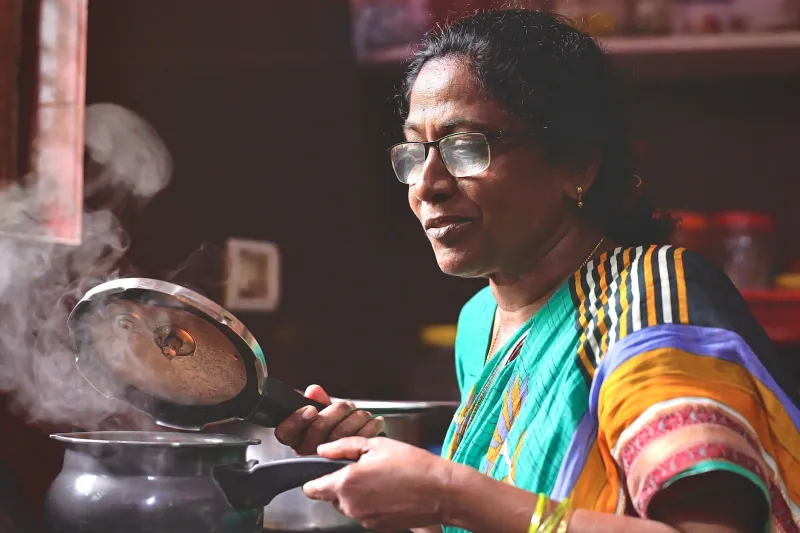
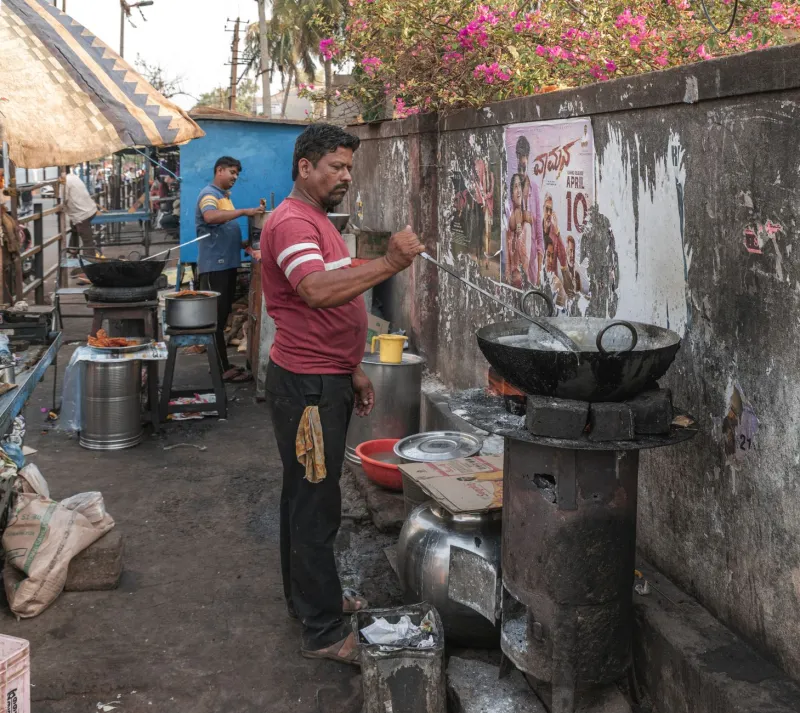
It starts with the oil hitting the pan. That specific sizzle, the bloom of cumin, the sharp sweetness of onions going translucent — and suddenly you're not in your apartment in Chicago or your kitchen in Fremont. You're somewhere else entirely. You're home.
Chole bhature has this power. Ask almost any Indian American who grew up eating it, and they'll describe the dish less like food and more like a location. A place you return to. A feeling that lives in your chest, not just your stomach.
But why this dish specifically? And more practically — when you're trying to recreate that feeling in your own kitchen, why does it sometimes land perfectly and other times feel like a beautiful meal that's still somehow not quite it? Let's get into it.
The Science of Why Food Becomes Memory
Here's what food psychologists have been saying for years: smell and taste are processed through the olfactory bulb, which sits in unusually close proximity to the hippocampus and amygdala — the parts of your brain responsible for memory and emotion. Unlike sight or sound, flavor and aroma can bypass your conscious filters and land directly in emotional territory.
This is why a specific dish doesn't just remind you of home. It makes you feel like you're there. The technical term is involuntary autobiographical memory — more casually known as the Proust effect, named after the writer who described being transported by the taste of a madeleine dipped in tea.
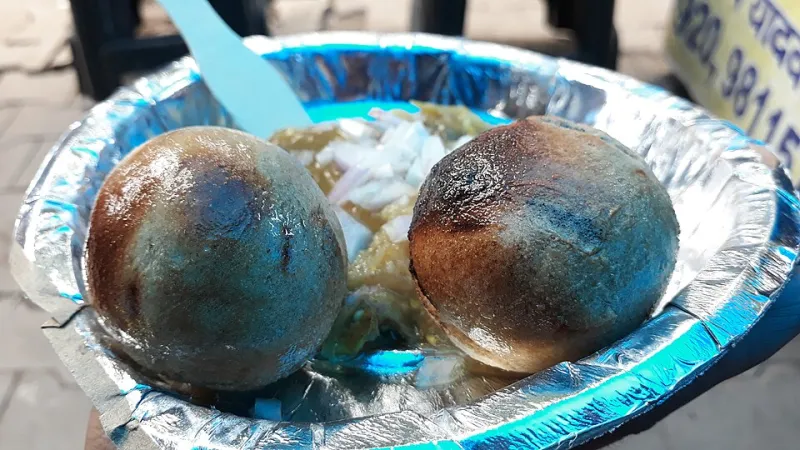
For Indian Americans, chole bhature is often that madeleine. It's a dish deeply tied to specific moments: Sunday mornings, Punjabi households, street corners in Delhi or Amritsar, the particular chaos of a dhaba where the bhature arrive puffed and golden and slightly too hot to touch. The memory isn't just the flavor. It's the whole sensory package — the sound, the smell, the texture, the occasion.
What People Actually Miss (It's More Specific Than You Think)
We've heard from readers across the US about this, and what's interesting is how specific the nostalgia gets. It's never just "I miss chole bhature." It's always more particular than that.
One reader in New Jersey described missing the exact weight of the bhatura on her plate — that slight oiliness that her mom's version always had, which she's spent three years trying to replicate. A reader in Houston said what he misses most is the sourness of his neighborhood vendor's chole, a tartness he later figured out came from dried pomegranate seeds his family never used at home. Someone in Seattle told us she doesn't even like chole bhature that much — but the smell of it cooking makes her cry, because her grandmother used to make it every time she came to visit.
These aren't just sentimental details. They're actually useful data. Because if you want to cook your way back to a specific memory, you have to figure out what your version of that memory actually contains.
The Comfort Gap: Why Homemade Sometimes Misses the Mark
Here's the frustrating reality: you can follow a technically correct chole bhature recipe and produce a genuinely good dish — and still feel like something's missing. That gap between "good" and "the one" is real, and it's not in your head.
A few things tend to create it:
The spice profile is wrong. Chole masala isn't one thing. Regional variations, family traditions, and individual vendors all produce wildly different flavor profiles. If your memory is built around a particular blend — heavy on anardana, light on coriander, maybe with a specific ratio of black cardamom — then a generic store-bought masala is going to feel like a cover version of the song you actually love. Worth experimenting with building your own blend, or trying a few different brands until something clicks.
The bhature texture is off. Bhature made with different fermentation times, different flour ratios, different frying temperatures all produce different textures. Some people's comfort bhatura is thin and crispy at the edges with a soft center. Others remember it thick and pillowy all the way through. Neither is wrong — but if your memory has a texture, you need to cook toward that texture specifically.
The serving temperature and context aren't right. This sounds almost too simple, but it matters. Eating chole bhature alone at your kitchen counter while scrolling your phone is a different experience than eating it at a table with family, or even just with the TV off and a moment to be present with the food. The emotional payload of comfort food is partly about the ritual, not just the recipe.
Practical Ways to Close the Gap
If you're trying to cook toward a specific memory, start by getting specific about what you're actually chasing.
Write down the sensory details you remember. Was the chole thick or soupy? Dark or reddish? Tangy or more earthy? Was the bhatura puffy and light or dense and chewy? Did the dish come with a particular pickle or onion preparation? The more specific you can get, the better your chances of reverse-engineering it.
Identify your key flavor anchors. For most people, there are one or two flavors that really define their version of chole — a particular smokiness, a specific sourness, an unusual sweetness. Dried mango powder, tamarind, pomegranate seeds, black cardamom, a tea bag during simmering — these are all tools that can dramatically shift the flavor profile. Experiment with one variable at a time until you find what's actually missing.
Don't underestimate the garnish. A lot of the sensory memory around chole bhature is in the finishing details — the raw red onions, the green chutney, the pickled chili, the squeeze of lemon. These aren't decorative. They're structural to the experience. If your memory includes a very specific chutney, that chutney is part of what you're missing.
Cook it at the right time. Comfort food hits differently depending on when you eat it. If your memory of chole bhature is tied to Sunday mornings, eating it on a Sunday morning is going to feel more like the real thing than eating it on a Wednesday night. This isn't magic — it's just that context is part of the experience.
The Thing About Cooking for Yourself When You're Homesick
There's something worth saying here that goes beyond technique. When you're homesick — really homesick, the kind where you ache a little — cooking can feel like either a solution or a reminder of what you're missing. Sometimes it's both at once.
But there's a particular comfort in the act of making the food, not just eating it. The process of blooming spices, building a chole from scratch, kneading and resting bhature dough — it's tactile and slow and it requires your attention. It pulls you into the present while connecting you to the past. That's not nothing. That's actually quite a lot.
Chole bhature isn't just a meal. For a lot of Indian Americans, it's a conversation with home — one you can have any time you want, in any kitchen, wherever you've ended up. The fact that it sometimes takes a few tries to get the flavor exactly right is almost beside the point. The act of trying is its own kind of homecoming.