Five Indian Street Snacks That Beat Delivery — In Time and Taste
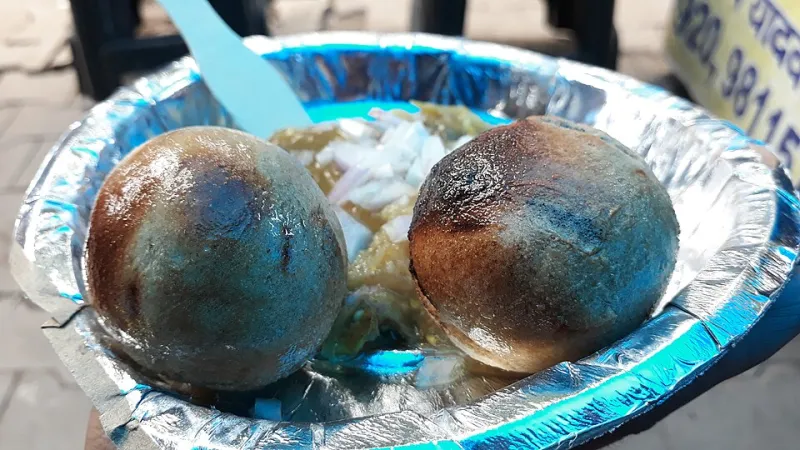
Photo: Pinakpani, CC BY-SA 4.0, via Wikimedia Commons
Let's address the myth directly: Indian food does not always take hours. That reputation comes from slow-cooked curries, long-marinated meats, and overnight fermented breads — all of which are worth every minute, but are not the whole story of Indian cooking.
India's street food culture runs on speed. Vendors who serve hundreds of people a day can't afford slow food. Their recipes are engineered for quick assembly, high output, and maximum flavor per minute. Bring those recipes into your kitchen, and you've got a genuine weapon against the thirty-five-minute delivery wait and the inevitable lukewarm result.
Here are five snacks that prove the point — with honest notes on where shortcuts work, where they don't, and what you'll need to pull them off in a typical US kitchen.
1. Pakoras: 15 Minutes, No Negotiation
Actual time: 12-18 minutes, including batter prep.
Pakoras are the ultimate fast food. Besan (chickpea flour) batter, whatever vegetable you have on hand, hot oil. That's the whole recipe. Onion pakoras are the fastest — slice an onion thin, toss it with besan, a pinch of ajwain (carom seeds), red chili powder, salt, and just enough water to make a thick batter that clings. Fry in batches. Done.
For US kitchens: Bob's Red Mill makes chickpea flour that's widely available at Whole Foods, Sprouts, and most Indian grocery stores. If you're in a pinch, regular grocery store "garbanzo bean flour" is the same thing.
Where the shortcut works: Almost everywhere. Pakoras genuinely don't suffer from being made at home — if anything, you can eat them immediately rather than waiting for delivery to cool them down. Hot pakoras with ketchup or mint chutney from a jar are a perfect fifteen-minute snack.
Where street vendors have the edge: The sheer variety. A good pakora stall might have ten different fillings going simultaneously. At home, you're probably doing one or two. That's still a win.
2. Aloo Chaat: Assembly Food at Its Finest
Actual time: 20-25 minutes (mostly boiling potatoes).
Chaat is fundamentally an assembly dish. The cooking is minimal; the flavor comes from layering. Aloo chaat — spiced, pan-fried potato cubes topped with yogurt, chutneys, and chaat masala — is the most accessible starting point.
Boil or microwave two medium potatoes until just tender (the microwave gets this done in eight to ten minutes). Cube them, toss in a pan with a little oil, cumin seeds, and chili powder until crispy on the edges. Plate them, spoon over some yogurt, drizzle jarred tamarind chutney and green chutney (both available at any Indian grocery), dust with chaat masala, and finish with sev (crunchy chickpea noodles) if you have them.
The honest assessment: This is one of the recipes where the home version can actually be better than many restaurant versions, because you control the freshness of the yogurt and the balance of sweet-sour-spicy. The only thing missing is the open-air atmosphere.
US substitution note: If you can't find sev, crushed tortilla chips provide a similar crunch in a pinch. Not traditional, but functional.
3. Bread Pakora: The Underrated Sandwich
Actual time: 15 minutes flat.
Bread pakora is exactly what it sounds like — a sandwich dipped in spiced besan batter and fried. It's a North Indian street staple and one of the fastest things you can make. Spread green chutney on two slices of white sandwich bread, optionally add a thin layer of spiced mashed potato, press the slices together, dip the whole thing in the same pakora batter from snack #1, and fry until golden.
This is legitimately faster than ordering delivery and infinitely better than anything that could survive a thirty-minute drive in a paper bag. The exterior is crispy, the inside is soft and savory, and the whole thing costs about forty cents.
Who this is for: Anyone who wants something substantial and hot in under twenty minutes. It's also a genuinely great way to use up bread that's a day or two old.
4. Pav Bhaji: 30 Minutes If You Plan Ahead (Or 20 With a Shortcut)
Actual time: 25-35 minutes with fresh vegetables; 15-20 minutes with frozen mixed vegetables.
Okay, pav bhaji is slightly more involved than the others, but it earns its place here because the shortcut version is genuinely good. Traditional pav bhaji involves cooking down onions, tomatoes, and multiple vegetables into a thick, spiced mash — which can take time. But frozen mixed vegetables (peas, carrots, cauliflower) cook in minutes and work beautifully here.
Sauté onions and tomatoes until soft, add the frozen veg, mash everything together with a potato masher, stir in pav bhaji masala (available at any Indian grocery or on Amazon), and cook for five more minutes. Toast your dinner rolls in butter, serve alongside. That's it.
The delivery comparison: Pav bhaji from most Indian-American restaurants is often too mild and weirdly sweet. Making it yourself means you control the spice level and the butter quantity. Both of those things matter.
Worth noting: Pav bhaji masala is non-negotiable. Don't try to substitute a generic curry powder — the flavor profile is completely different and the result won't taste right.
5. Masala Papad: Two Minutes. Seriously.
Actual time: 2-4 minutes.
This one feels almost like cheating, but masala papad is a legitimate street snack and it takes less time to make than it does to explain. Roast or microwave a papad (thin lentil cracker, available at every Indian grocery), top it with finely diced onion, tomato, and green chili, squeeze over a little lemon juice, add chaat masala, and serve. It's crunchy, tangy, and genuinely addictive.
The catch: You need papad on hand. Once you have it, this is faster than any delivery option that has ever existed.
The Honest Verdict on What's Worth Making vs. Ordering
Some Indian street foods genuinely benefit from vendor expertise and specialized equipment. Dosas require a seasoned cast iron griddle and a practiced wrist. Golgappa (pani puri) involves making fried hollow shells that take real technique. Jalebi requires a specific batter consistency and a particular frying motion that takes time to learn.
For those, ordering from a good restaurant or buying ready-made versions from Indian grocery stores is a completely legitimate choice. There's no shame in knowing when a shortcut is actually the smarter move.
But pakoras, chaat, bread pakora, pav bhaji, masala papad? These are home kitchen food. They were designed for quick preparation in small spaces with minimal equipment. Bringing them into your American kitchen doesn't dilute them — it's exactly what street food is supposed to do. Find you wherever you are, feed you fast, and taste like it took way more effort than it did.