From Delhi Corners to Maharashtra Markets: How India's Most Iconic Snack Changes Everything About Itself
Ask any Indian what a samosa is and you will get a confident answer. Ask ten Indians from ten different states, though, and you will get ten different descriptions — and probably a mild argument. That is the beauty of this snack. It travels across the entire country, absorbs whatever a region loves most, and still somehow remains unmistakably itself. For US home cooks who have only ever met the triangle-shaped, potato-stuffed version at the local Indian restaurant buffet, the full samosa universe is genuinely worth exploring.
Let's get into it.
Delhi: The Gold Standard (and Why Everyone Thinks It Is)
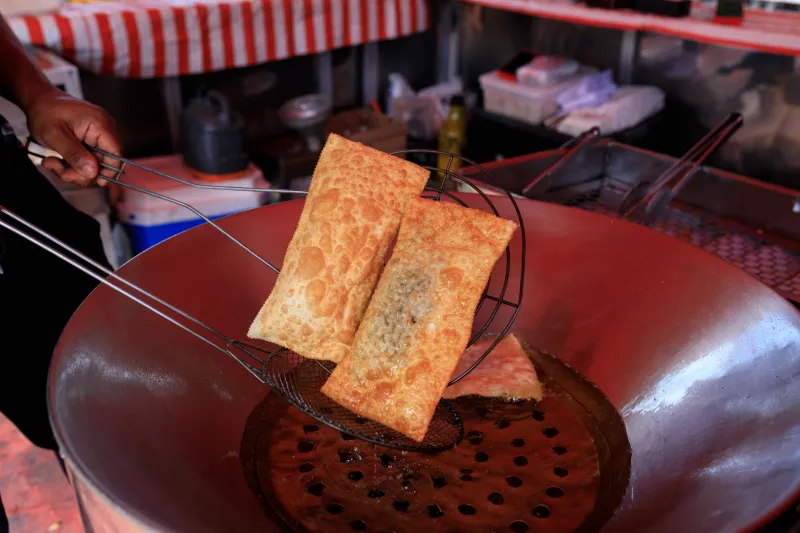
When most people picture a samosa, they are picturing the Delhi version. Big, sturdy, deeply fried until the exterior is blistered and crackling. The filling is a spiced mash of boiled potatoes and green peas, punched up with cumin seeds, dried mango powder (amchur), garam masala, and fresh green chili. The dough is made from maida — a refined white flour similar to all-purpose — kneaded with oil or ghee until it reaches what bakers would call a short, slightly crumbly texture.
The triangle shape is not accidental. Folding the dough into a cone and sealing a flat base gives the filling nowhere to escape during frying, and it creates that satisfying thick edge you can dip aggressively into tamarind chutney. Delhi street vendors fry their samosas low and slow at first — around 300°F — to cook the dough all the way through, then crank the heat to finish with a golden crust. If you have ever bitten into a samosa and found raw, doughy pastry inside, someone skipped that first low-temperature step.
At home, a thermometer is your best friend here. Skip it and you are guessing.
Lucknow: Where Subtlety Becomes a Flex
Move east into Uttar Pradesh and specifically into Lucknow, and the samosa gets quieter. The Awadhi culinary tradition is built on restraint and layered flavor, and that philosophy shows up even in street food. Lucknow's samosas tend to be smaller, the dough thinner and more delicate, and the filling often includes minced meat — typically keema — cooked down with whole spices, onion, and ginger-garlic paste until almost dry.
These are not showy. They do not crunch as dramatically. But the flavor payoff is different — more complex, more slow-burning. For American home cooks, the keema samosa is actually a fantastic entry point if you are nervous about getting the potato filling spiced correctly. Ground lamb or beef, cooked down with pantry spices, is forgiving and flavorful. The filling can be made a day ahead, which genuinely helps on a busy weeknight.
Maharashtra: The Samosa That Forgot the Rules
Now here is where things get genuinely surprising. In parts of Maharashtra — particularly in smaller towns and at temple fairs — you will encounter a samosa filled with a mixture that includes jaggery, coconut, and sometimes dried fruit. Sweet. Warm. Deeply aromatic with cardamom.
For anyone raised on the savory Delhi version, this is a small identity crisis in pastry form. But it makes total sense within Maharashtrian culinary logic, which has always moved fluidly between sweet and savory in the same meal, sometimes in the same bite. The dough here is often thinner and the frying is quicker, producing a lighter, crispier shell that works beautifully against the dense sweetness inside.
If you want to make these for a party, do it. Label them clearly. Watch people's faces.
Bengal: The Singara and the Art of the Smaller Thing
In West Bengal, the samosa goes by a different name — singara — and comes with a different personality. Smaller than its North Indian cousin, the singara is often filled with a dry preparation of cauliflower, potato, and sometimes peanuts, spiced more gently and fried until just golden rather than deeply bronzed. The dough is slightly different too, often a touch softer.
Bengali tea stalls serve singaras alongside mishti doi and cha, and the pairing makes sense — the snack is lighter, less aggressively spiced, better suited to an afternoon break than a street-corner power meal. In the US, this version translates beautifully for potlucks and gatherings where not everyone wants something fiery.
The Science of the Perfect Crunch
Across all these regional variations, one thing connects them: everyone wants that crunch. Here is what is actually happening when you get it right.
The outer crust crisps because moisture escapes the dough rapidly during frying, creating tiny air pockets. The fat content in the dough — whether oil or ghee — helps the gluten stay short and flaky rather than chewy. This is why you do not want to over-knead samosa dough. Tough dough means chewy pastry. Under-kneaded dough tears during shaping. You want just enough development to hold together, no more.
Oil temperature matters enormously. Too hot and the outside burns before the inside cooks. Too cool and the dough absorbs oil instead of repelling it, leaving you with something greasy and sad. The two-stage frying method — low heat first, high heat to finish — is not just a technique, it is the difference between a good samosa and a great one.
For home kitchens, a Dutch oven holds temperature better than a wide skillet. Fill it with enough oil to submerge the samosas at least halfway, and do not crowd the pot. Three or four at a time, maximum.
Making It Yours in an American Kitchen
The honest truth is that all-purpose flour from any American grocery store works fine for samosa dough. Maida and AP flour are close enough for home cooking purposes. For the filling, Idaho or Russet potatoes give you the dry, fluffy texture you want — waxy potatoes like red or fingerling hold too much moisture and make the filling gummy.
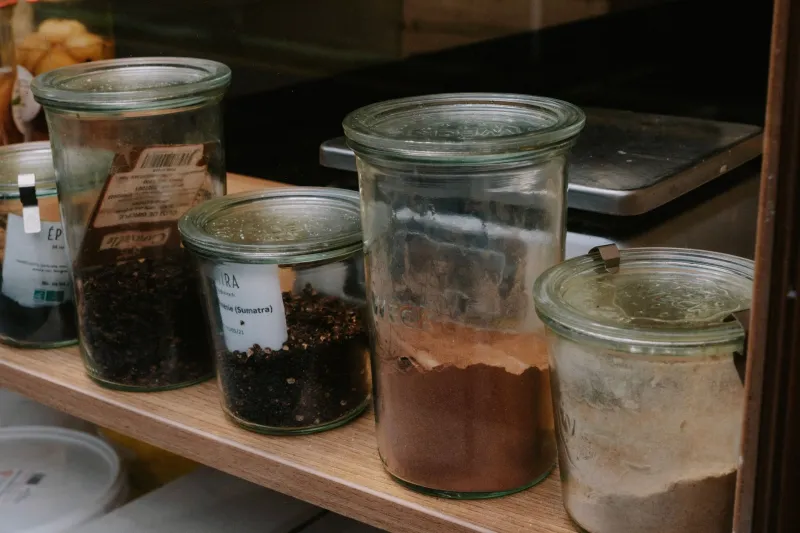
For spices, a decent Indian grocery run will set you up for months. Amchur (dried mango powder) is the ingredient most home cooks skip and most miss — it adds that bright, slightly sour note that makes the filling taste like it came from an actual street stall rather than a well-meaning kitchen.
Once you have made the basic Delhi version twice, try the keema filling. Once you have done that, make the sweet Maharashtrian version for someone who thinks they know what a samosa is. The look on their face will be worth every minute of frying.
The samosa does not have one identity. That is exactly why it has lasted this long.