How to Stock an Indian Pantry in the US Without Breaking the Bank or Wasting a Thing
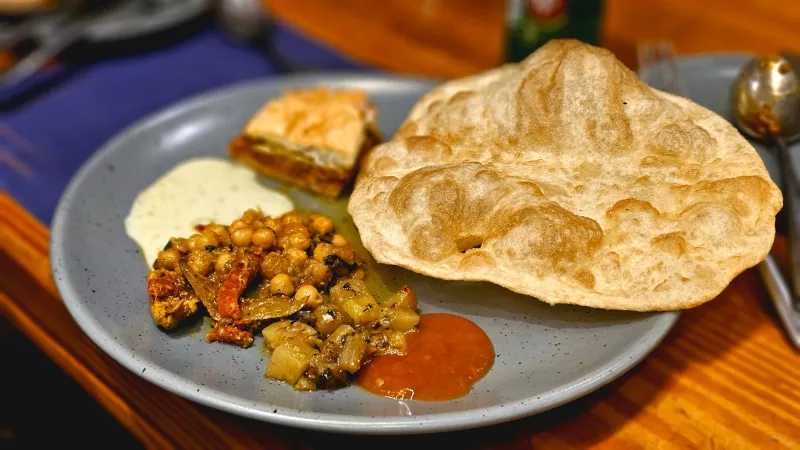
There's a moment that almost every home cook in the US goes through when they first get serious about Indian cooking. You decide you're going to make chole bhature from scratch. You pull up a recipe, scan the ingredient list, and suddenly you're staring down a lineup of spices you've never heard of, wondering how much to buy, where to find them, and whether you'll ever actually use the rest of the jar.
So you either buy everything and end up with a cabinet full of half-used spices that slowly lose their punch — or you give up and order takeout. Neither feels great.
The good news? Building a solid Indian pantry in the US is completely doable on a reasonable budget. You just need a plan.
Start With the Core, Not the Collection
The biggest mistake new cooks make is trying to buy everything at once. Indian cuisine covers dozens of regional traditions, and the full spice spectrum across all of them is genuinely enormous. But here's what most recipes — including the kind of North Indian street food we love at Sardarji Ke Chole Bhature — actually rely on day to day:
The essential starting lineup:
- Cumin seeds and ground cumin
- Coriander seeds and ground coriander
- Turmeric powder
- Red chili powder (Kashmiri for color, regular for heat)
- Garam masala
- Amchur (dry mango powder)
- Asafoetida / hing
- Dried bay leaves
- Black cardamom
- Dried red chilies
That's it to start. These ten items will get you through chole bhature, dal tadka, aloo sabzi, and dozens of other recipes. Resist the urge to also grab the chaat masala, the black salt, the fenugreek seeds, and the dried rose petals all in one trip. Those can come later.
Where to Actually Shop (And What to Expect)
If you live near a city with a South Asian community — think Edison, NJ; Fremont, CA; Sugar Land, TX; or Devon Avenue in Chicago — you likely have access to Indian grocery stores where spices are dramatically cheaper than at mainstream supermarkets. A 7-ounce bag of cumin at an Indian store might run you $2-3. The same quantity at Whole Foods? Closer to $8.
For those without easy access to a local Indian grocery, a few reliable online options have become go-to resources for the US home cook:
- Amazon carries most major Indian brands like MDH, Everest, and Shan. Prices are reasonable and shipping is fast.
- Patel Brothers (patelbros.com) has an online store and ships nationwide. They also have physical locations in several major cities.
- iShopIndian.com and Desiclik.com are solid for specialty items and harder-to-find ingredients.
- Thrive Market occasionally carries Indian pantry staples at discount prices if you're already a member.
One practical tip: check the "sold by" dates carefully when ordering online. Some third-party Amazon sellers move older stock. Buying directly from established retailers reduces that risk.
The Shelf Life Reality Check
Here's something nobody really talks about enough: most ground spices don't last as long as people assume. Yes, they're technically safe to eat for years. But their flavor — which is the whole point — starts fading faster than that.
General shelf life guidelines:
- Whole spices (cumin seeds, cardamom pods, cinnamon sticks): 2-3 years if stored properly
- Ground spices: 1-2 years for good flavor, though they won't hurt you after that
- Spice blends like garam masala: 6-12 months before the complexity starts dropping off
- Hing (asafoetida): Lasts a long time, but keep it in a tightly sealed container — it's pungent
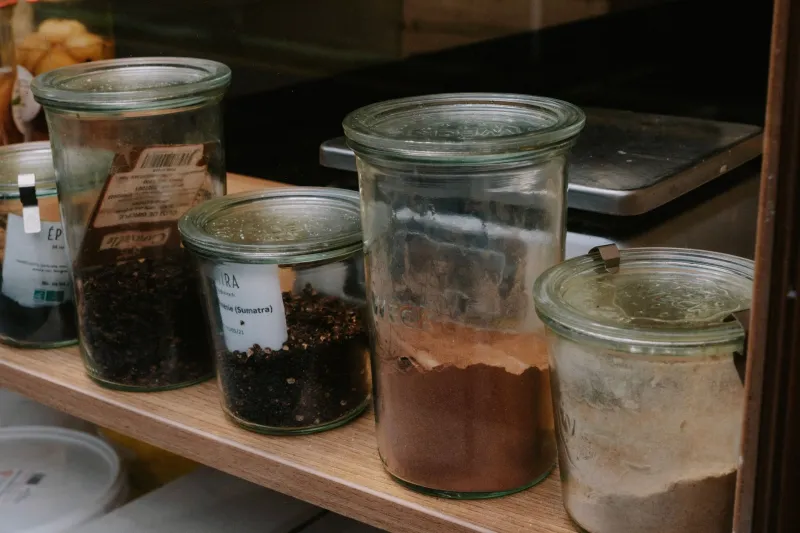
The best storage approach is simple: airtight containers, away from heat and direct sunlight. A cool cabinet or drawer works better than the rack next to your stove, even though that's convenient. Heat and moisture are the enemies of spice potency.
A small tip that makes a real difference: label your containers with the purchase date using a piece of masking tape and a marker. It takes ten seconds and saves you from sniffing mystery jars six months later.
Bulk Buying: Smart or Wasteful?
This depends entirely on how often you cook. If you're making Indian food two or three times a week, buying larger quantities of your core spices makes financial sense. If you're cooking Indian food once or twice a month, smaller packets are the smarter move — even if the per-ounce cost is slightly higher.
For US home cooks just getting started, a good rule of thumb is:
- Buy in bulk: Cumin, coriander, turmeric, red chili powder — these are workhorses that you'll burn through quickly
- Buy small: Specialty items like black cardamom, dried rose petals, or star anise, which show up in fewer recipes
- Buy medium: Garam masala — you'll use it often, but it loses complexity faster than whole spices, so don't overbuy
Honest Substitutions When You're in a Pinch
Sometimes you're mid-recipe and realize you're out of something. Here's a quick reference for common swaps:
- No amchur? A small squeeze of lemon juice at the end of cooking gives a similar tartness. Not identical, but it works.
- No Kashmiri chili powder? Mix sweet paprika with a small amount of cayenne. You get the color without the overwhelming heat.
- No asafoetida? A very small amount of garlic powder can substitute in a pinch, though the flavor is different.
- No black cardamom? Skip it or use a tiny bit of smoked paprika for the smoky note it provides — it's not the same, but it's better than nothing.
- No garam masala? Make a quick version by combining ground cumin, coriander, black pepper, cinnamon, and a pinch of cloves.
What It Actually Costs to Make Chole Bhature From Scratch
Let's break this down in real numbers. If you're shopping at an Indian grocery store or ordering online from a budget-friendly retailer:
| Ingredient | Approx. Cost | Notes |
|---|---|---|
| Dried chickpeas (1 lb) | $1.50–$2.00 | Makes 4-6 servings |
| Maida / all-purpose flour (5 lb bag) | $3.00–$4.00 | Lasts many batches |
| Onions, tomatoes, ginger, garlic | $2.00–$3.00 | Fresh produce |
| Oil for frying | $0.50–$1.00 | Per batch |
| Spices (amortized per use) | $0.50–$1.00 | Once you have the pantry built |
Total per meal for 4 people: roughly $7-11. Compare that to $15-20 at a restaurant for one portion, and the math gets compelling fast.
The upfront cost of building the pantry is the real investment — probably $30-50 to get fully stocked. But once it's there, the per-recipe cost drops dramatically.
A Simple Pantry Checklist to Get You Started
Save this, print it out, or screenshot it before your next grocery run:
Spices & Aromatics: ☐ Cumin seeds ☐ Ground cumin ☐ Ground coriander ☐ Turmeric powder ☐ Kashmiri red chili powder ☐ Regular red chili powder ☐ Garam masala ☐ Amchur (dry mango powder) ☐ Asafoetida (hing) ☐ Black cardamom pods ☐ Dried bay leaves ☐ Dried red chilies
Pantry Staples: ☐ Dried chickpeas (or canned as backup) ☐ Maida (all-purpose flour) ☐ Atta (whole wheat flour) ☐ Besan (chickpea flour) ☐ Basmati rice ☐ Cooking oil (neutral, high smoke point) ☐ Ghee ☐ Tamarind paste or block
Fridge/Fresh: ☐ Ginger ☐ Garlic ☐ Green chilies ☐ Plain whole milk yogurt
The Pantry Is a Long Game
Here's the mindset shift that makes all of this easier: you're not buying ingredients for one recipe. You're building infrastructure. The first time you make chole bhature, you'll spend a little more assembling what you need. The tenth time, you'll reach into a well-stocked cabinet and barely spend anything at all.
That's the real joy of cooking Indian food at home — once the pantry is there, the food gets cheaper, faster, and honestly more satisfying than anything you'll order in. Start with the essentials, cook with them consistently, and build from there. The spice aisle doesn't have to be stressful. It just takes one good trip.