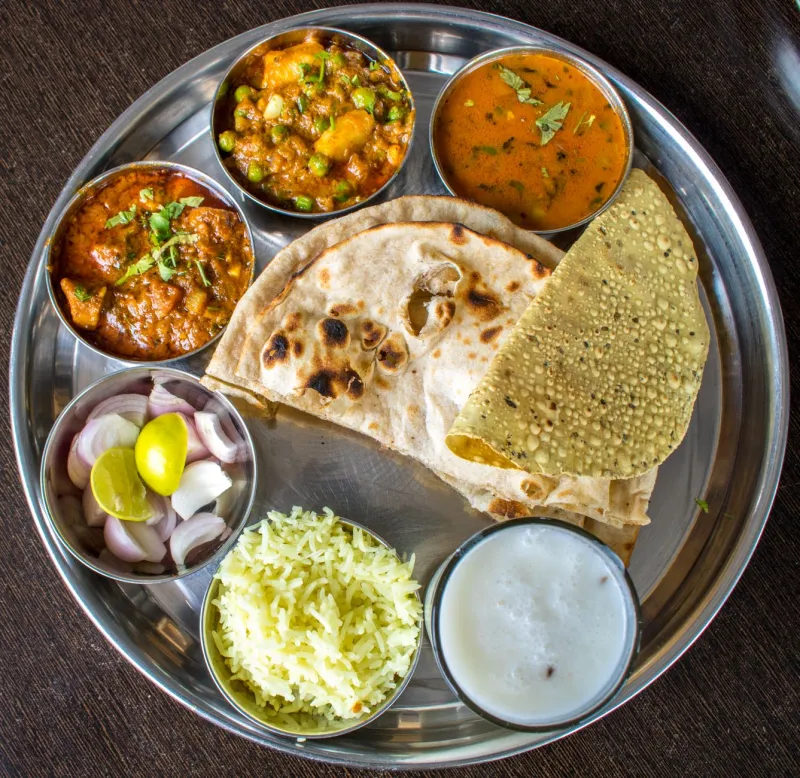
Five Indian Street Breads That Should Be on Your Weekly Dinner Table
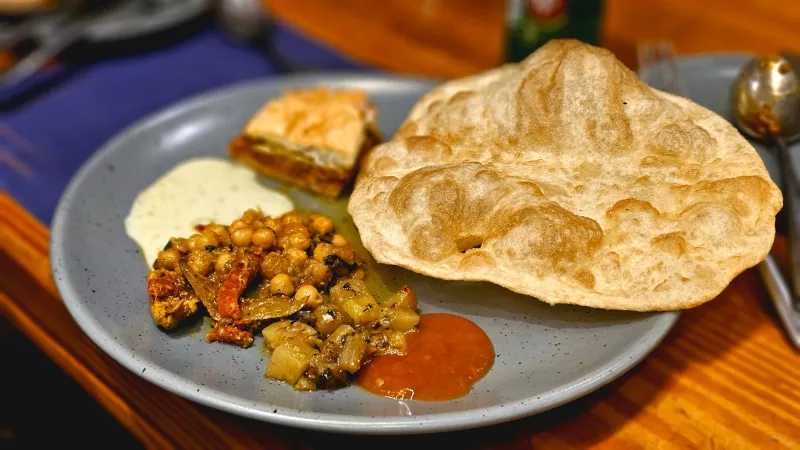
Let's be honest — if you're already here at Sardarji Ke Chole Bhature, you probably have a deep appreciation for a perfectly puffed bhature. That crispy-yet-chewy fried bread paired with spiced chickpeas is hard to beat. But here's the thing: Indian street food is an entire universe of bread, and sticking to just one is like only ever ordering the same dish at your favorite restaurant. There's so much more to discover.
Whether you're cooking for a weeknight family dinner in Chicago or hosting a weekend brunch in Austin, these five Indian street breads are worth adding to your regular lineup. Each one has a story, a technique, and a pairing that'll make you wonder why you waited this long.
1. Luchi — Bengal's Delicate, Airy Puff
Where it comes from: West Bengal and Bangladesh
If bhature is the bold, confident cousin, luchi is the elegant one. Made from refined white flour (maida), luchi is rolled thin and fried until it puffs up into a gorgeous, almost translucent balloon. It's lighter than bhature and has a slightly crisp exterior that gives way to a soft, pillowy inside.
In Kolkata, luchi is practically a weekend ritual — served with alur dom (spiced potatoes) or cholar dal (split Bengal gram with coconut). It's comfort food with a certain refinement to it.
How to make it: Combine 2 cups of maida with a pinch of salt and about 2 tablespoons of oil or ghee. Knead with warm water until you get a smooth, stiff dough. Rest for 20 minutes, then roll into small circles — think 4 inches in diameter. Fry in hot oil until puffed. The key is keeping the oil at the right temperature (around 350°F). Too cool and they'll absorb oil; too hot and they'll brown before puffing.
Why it's worth mastering: Luchi is faster to make than bhature because it doesn't need yeast or a long rest. It's a great gateway bread for anyone new to Indian frying techniques.
Pairing tip: Serve with a simple potato curry or even store-bought mango pickle and plain yogurt.
2. Kachori — The Stuffed, Spiced Street Snack
Where it comes from: Rajasthan and Uttar Pradesh
Kachori takes the concept of fried bread and cranks it up a notch by stuffing it with spiced fillings before frying. The most classic version — dal kachori — is filled with a mix of moong dal, fennel seeds, cumin, and dried chilies. The outside is flaky and crisp; the inside is fragrant and earthy.
In cities like Jaipur and Varanasi, street vendors sell kachori from early morning, piling them alongside aloo sabzi and tamarind chutney. It's a full breakfast in one bite.
How to make it: For the dough, use a mix of all-purpose flour and a generous amount of oil or ghee — this creates that characteristic flakiness. For the filling, dry roast moong dal, grind it coarsely, and mix with fennel seeds, coriander powder, red chili, and a pinch of asafoetida (hing). Fill, seal, and fry on medium-low heat. Patience is key here — kachori needs a slow fry to cook through without burning.
Why it's worth mastering: Once you nail the dough ratio, kachori is endlessly customizable. Onion kachori, mawa kachori (sweet, with khoya), and even green pea kachori are all variations worth trying.
Pairing tip: Serve with tamarind-date chutney and a thin yellow dal. It also works surprisingly well with a side of plain Greek yogurt if you want to keep things simple.
3. Puri — The Everyday Fried Bread That Never Gets Old
Where it comes from: Across India, but especially beloved in North and West India
Puri might be the most democratic bread on this list. It's made with whole wheat flour, which gives it a slightly nutty flavor and more structure than luchi. Smaller than bhature, puri is served everywhere from temple prasad lines to highway dhabas to your grandmother's kitchen.
The magic of puri is its versatility. It works with sweet halwa for a Navratri breakfast, with chole for a quick lunch, or with aloo sabzi for a Sunday dinner.
How to make it: Mix whole wheat flour (atta) with salt, a little oil, and water. Knead into a firm dough and let it rest for 15-20 minutes. Roll into small rounds and fry in hot oil. Press the puri gently with a slotted spoon as it hits the oil — this encourages it to puff. Drain on paper towels and serve immediately.
Why it's worth mastering: Puri is forgiving, fast, and uses ingredients you probably already have. It's also the perfect intro to Indian fried breads for kids who might be hesitant about new foods.
Pairing tip: Puri aloo is a classic for a reason — spiced potatoes with whole cumin and ginger make an unbeatable combo. For something lighter, try puri with sweetened semolina halwa.
4. Roomali Roti — The Paper-Thin Street Bread You Fold Like a Handkerchief
Where it comes from: Mughal kitchens, now popular across North India
Roomal means handkerchief in Hindi, and this bread earns its name. Roomali roti is rolled impossibly thin and cooked on an inverted tawa (griddle) over high heat. The result is a soft, pliable bread that you fold into quarters — just like a handkerchief — before serving.
On the streets of Old Delhi and Lucknow, roomali roti is the go-to wrap for kebabs and grilled meats. It's elegant in its simplicity.
How to make it: Use a mix of whole wheat flour and maida for the best texture. Roll the dough as thin as you possibly can — thinner than you think is possible. Cook on a preheated inverted skillet or wok over high heat for about 30-40 seconds per side. Work fast; this bread cooks quickly. If you don't have a traditional tawa, an upside-down cast iron skillet works well.
Why it's worth mastering: Roomali roti is a showstopper at dinner parties and surprisingly low-effort once you get the hang of rolling it thin.
Pairing tip: Wrap around seekh kebabs or grilled paneer tikka. Also wonderful with dal makhani when you want something lighter than naan.
5. Missi Roti — The Spiced Flatbread from Punjab's Farmlands
Where it comes from: Punjab and Haryana
Missi roti doesn't get nearly enough attention outside of Punjabi households, and that's a shame. Made with a blend of whole wheat flour and besan (chickpea flour), it's packed with flavor from the inside out — carom seeds (ajwain), dried fenugreek (kasuri methi), chopped onion, and green chili all go directly into the dough.
This is a bread that can stand on its own. It's hearty, slightly nutty from the besan, and fragrant in a way that plain roti just isn't.
How to make it: Mix equal parts atta and besan. Add ajwain, kasuri methi, finely chopped onion, green chili, salt, and a drizzle of oil. Knead with water into a medium-soft dough. Roll into thick rounds and cook on a tawa over medium heat, finishing with a knob of butter or ghee.
Why it's worth mastering: Missi roti is a nutritional powerhouse compared to plain flatbreads, and it pairs with almost anything. It's also a great option for anyone who wants more protein in their meals without changing their whole plate.
Pairing tip: Serve with a simple yogurt raita and pickled onions, or alongside sarson da saag (mustard greens) if you want the full Punjabi winter meal experience.
Your Bread Game, Leveled Up
Here's the thing about Indian street breads — they're not as intimidating as they look. Most of them require simple pantry staples, a hot pan or pot of oil, and a little patience. Start with one, get comfortable, then work your way down the list.
Chole bhature will always have a special place at this table. But now you've got five more reasons to fire up the stove on a weeknight. Happy cooking.