Cool, Tangy, and Deeply Satisfying: Your Complete Guide to Yogurt-Soaked Indian Street Snacks for Summer
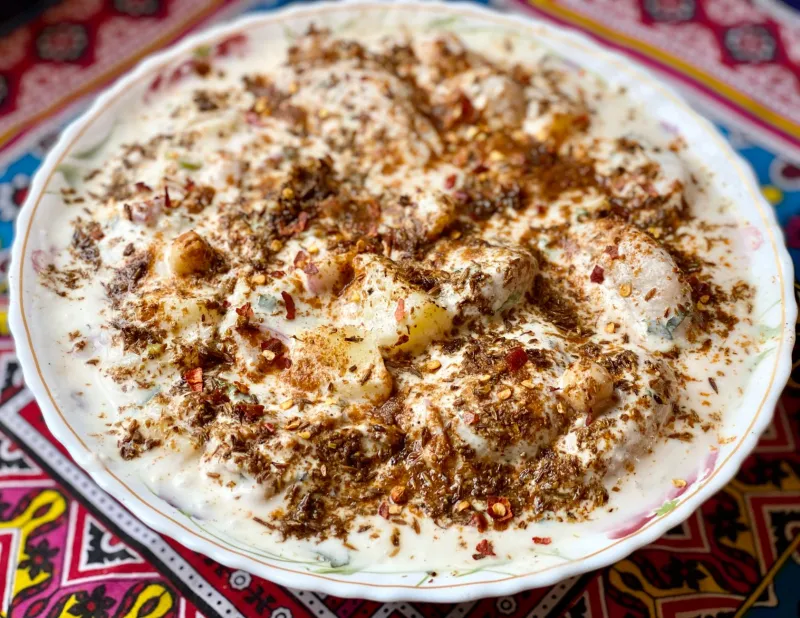
There is a category of Indian street food that does not get nearly enough attention outside of desi households, and that is the yogurt-based snack. While chole bhature and chaat get the headlines, dishes like dahi bhalle and dahi vada are quietly doing some of the most impressive flavor work in the entire street food tradition. They are cold, creamy, and layered with spice. They are perfect for hot weather. And they are genuinely easier to make than they look.
If you have been intimidated by them, this is your entry point.
First, Let's Sort Out the Naming Situation
Dahi bhalle and dahi vada — are they the same thing? Mostly, yes. Mostly.
Both refer to fried lentil dumplings soaked in water to soften, then nestled in cold seasoned yogurt and topped with chutneys and spices. The term vada is more common in South India and Maharashtra. Bhalle is the North Indian — particularly Punjabi and Delhi — term for essentially the same thing. There are regional differences in the lentil ratio, the spice profile, and the toppings, but the core concept is identical: a soft, spongy dumpling swimming in cold, tangy yogurt, finished with tamarind chutney, green chutney, roasted cumin, chili powder, and usually a handful of sev (thin crispy chickpea noodles).
Then there is dahi puri — a different beast entirely, where hollow crispy shells are filled with yogurt and chutney rather than soaked dumplings. And papdi chaat uses flat fried wafers. All of these belong to the same extended family of yogurt-based chaat, but they are not interchangeable. For today, we are focusing on the soaked dumpling versions, because they are the most rewarding to master.
The Lentil Question
Traditional dahi bhalle are made with urad dal — split black lentils with the hulls removed, which gives you the creamy white interior. You soak them, grind them into a smooth batter, and fry them into small rounds. The batter needs to be light and airy enough that the dumplings puff slightly and stay spongy rather than dense.
Here is the thing about urad dal batter: it is finicky about water. Too much and your dumplings spread flat in the oil and turn greasy. Too little and they are heavy and dense even after soaking. The test every experienced cook uses is simple — drop a small amount of batter into a bowl of water. If it floats, you are ready. If it sinks, beat more air into the batter with your hand or a whisk for another minute or two.
In the US, urad dal is available at any Indian grocery store and increasingly at larger South Asian sections of mainstream supermarkets. Soak it for at least four hours, preferably overnight. Grind it in a blender with as little water as possible, scraping down the sides frequently, until you get a smooth, thick paste.
Frying Without the Fear
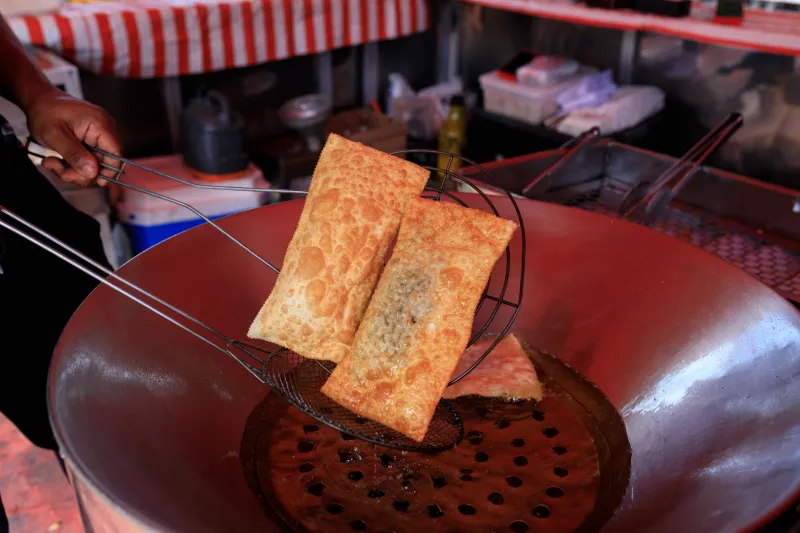
Fry your bhalle in oil at around 350°F — not screaming hot. You want them to cook through gently, developing a light golden exterior. They should look a bit like small pale fritters when done. Do not worry if they are not perfectly round; the soaking step evens everything out.
Immediately after frying, drop them into a large bowl of warm water. This is the step most first-timers skip, and it is non-negotiable. The water soak rehydrates the dumplings, pushes out excess oil, and transforms the texture from fried-food-crispy to pillowy-soft. Leave them for at least 20 minutes. When you pick one up and squeeze it gently between your palms to remove excess water, it should feel like a very soft sponge.
This is also where troubleshooting happens. If your bhalle are coming out with a hard, dense center even after soaking, the batter had too little air. If they are falling apart in the water, the batter was too thin or the oil was not hot enough during frying.
Building the Yogurt Base
The yogurt you use matters. Full-fat plain yogurt is the only real option here — low-fat yogurt turns watery and sour in ways that do not work. In the US, whole-milk Greek yogurt is thick enough but can be a touch too tangy on its own; mixing it half-and-half with regular whole-milk plain yogurt gives you the right consistency and flavor balance.
Season the yogurt simply: a little sugar (yes, sugar — this is a sweet-savory dish), a pinch of salt, and optionally a touch of roasted cumin powder. Whisk it smooth. It should be pourable but not thin — roughly the consistency of a loose ranch dressing.
Chill it completely before assembling. Cold yogurt against a room-temperature bhalla means your dish will be lukewarm by the time it hits the table. Everything should be cold.
The Topping Stack Is Where You Win
This is where dahi bhalle goes from good to genuinely memorable. The topping sequence matters:
- Tamarind chutney — sweet, dark, sticky. This is available jarred at Indian grocery stores, and the store-bought version is perfectly fine for home cooking.
- Green chutney — bright, herby, spicy. Made from cilantro, mint, green chili, garlic, and a squeeze of lime. Blend it fresh; it takes five minutes and the difference is significant.
- Roasted cumin powder — toasted whole cumin seeds, ground. The smoky warmth is essential.
- Kashmiri chili powder or regular chili powder — for color and gentle heat.
- Chaat masala — that funky, sour, slightly sulfurous spice blend that is hard to describe and impossible to replicate with substitutes. Find it. It is worth it.
- Sev — for crunch and visual drama.
- Fresh cilantro — because everything is better with it.
Do not skip layers. Every element is doing specific flavor work.
Serving This at an American Summer Gathering
Dahi bhalle are genuinely ideal party food, and not just for Indian households. They are vegetarian, they are served cold, they can be assembled ahead of time (keep the toppings separate until serving), and they look stunning on a platter. At a backyard cookout, they work as a starter or a side dish alongside grilled meats.
For potlucks, carry the components separately and assemble on-site. The soaked bhalle can be made the night before and refrigerated in the yogurt. Add toppings right before serving to keep the sev crunchy.
If someone asks what they are, tell them: cold lentil dumplings in spiced yogurt with tamarind and herb chutneys. Watch the room get curious. Then watch them go back for seconds.
This is summer food at its most generous — cooling, complex, and built for sharing.