Cooking Chole Bhature at 5,280 Feet: What Denver Home Cooks Need to Know
You followed the recipe exactly. You soaked your chickpeas overnight, you let your bhature dough rest for the full two hours, and you fried at what felt like the right temperature. And yet — the chole tasted undercooked and grainy, the bhature came out dense, and nothing puffed the way it was supposed to.
Before you blame the recipe, check your zip code.
High-altitude cooking is one of those variables that Indian food blogs almost never talk about, probably because most of the recipes were developed at sea level — either in India or in coastal American cities. But if you're making chole bhature in Denver (5,280 feet), Salt Lake City (4,226 feet), Albuquerque (5,312 feet), or anywhere else in the American West and Mountain regions, the physics of your kitchen are genuinely different. Water boils at a lower temperature. Fermentation moves faster and then crashes. Dough behaves unpredictably. None of this is your fault — but all of it requires adjustment.
Here's what's actually going on, and what you can do about it.
Why Elevation Changes the Rules
At sea level, water boils at 212°F. At 5,000 feet, it boils at around 203°F. That nine-degree difference sounds minor, but for chickpeas — which need sustained heat to fully break down their starches and soften their skins — it matters enormously. Your pressure cooker, which relies on steam pressure to drive temperatures above boiling, is also affected. At high altitude, it takes longer to build pressure, and the effective cooking temperature inside the pot is lower than what the manufacturer assumes.
The result: chickpeas that feel done but aren't. You'll bite into one and it seems soft enough, but the center is still chalky and the skins are slightly tough. The gravy doesn't thicken the way it should because the chickpeas haven't released their starches properly.
Fermentation is a different problem. At altitude, the lower air pressure actually speeds up yeast and bacterial activity in the short term — your bhature dough will seem like it's rising beautifully — but it tends to over-ferment and collapse faster than you'd expect. The dough that looked perfect an hour ago might be sticky, slack, and unworkable by the time you get around to rolling it.
Fixing Your Chole at High Altitude
The most reliable adjustment for chickpeas is simple: cook them longer. If your standard pressure cooker time at sea level is 20 to 25 minutes after reaching full pressure, bump that to 30 to 35 minutes at 5,000 feet. For an Instant Pot, add 5 to 7 minutes to whatever your usual setting is, and let it natural release instead of quick releasing.
Soaking time matters more at altitude too. A full overnight soak — at least 10 to 12 hours — gives you a head start that partially compensates for the lower boiling temperature. Some high-altitude cooks swear by a quick-boil soak: bring your chickpeas to a boil, cut the heat, let them sit covered for two hours, then proceed. That initial burst of heat seems to help the skins loosen in a way that regular cold soaking doesn't fully replicate at elevation.
One more thing: don't add acidic ingredients like tomatoes or amchur too early. Acid slows down the softening of legumes, and at altitude, you're already fighting that battle. Let your chickpeas get fully tender before you introduce anything sour into the pot.
Getting Bhature Right When the Air Is Thin
Bhature dough is essentially a leavened dough — it uses a combination of yogurt and sometimes a small amount of baking soda or yeast to get that signature puff. At high altitude, the challenge is controlling fermentation so it doesn't get away from you.
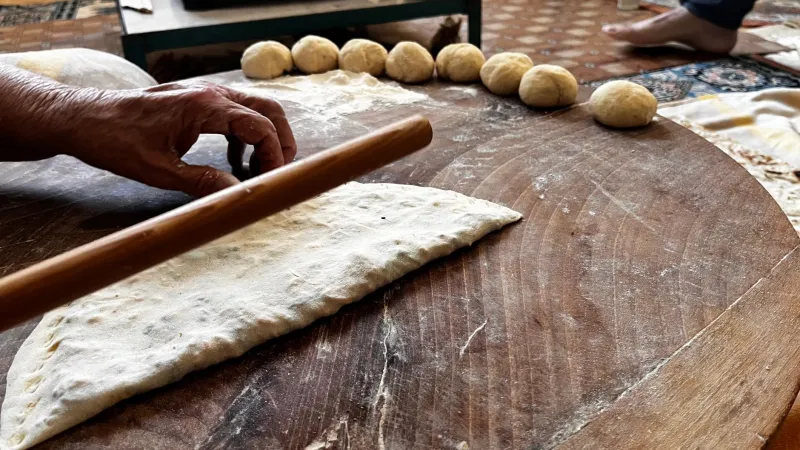
The fix is counterintuitive: use slightly less yogurt than the recipe calls for, and keep your dough cooler during the rest period. Instead of leaving it on the counter, tuck it into the refrigerator for the second half of its rest time. This slows fermentation enough to prevent the dough from over-proofing. You want it to be gassy and elastic when you roll it, not slack and sticky.
When you're rolling, work quickly and keep portions slightly smaller than you would at sea level. Smaller rounds are easier to control in the oil and tend to puff more reliably because there's less surface area for the steam to escape through.
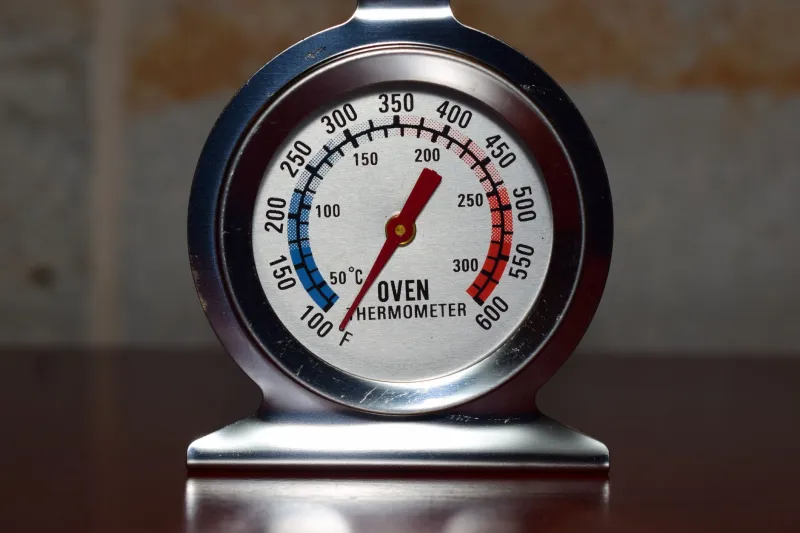
Oil temperature is also worth watching. Because water-based ingredients in the dough evaporate faster at lower air pressure, you can get bhature that brown on the outside before the interior has had time to puff properly. Aim for oil that's hot but not smoking — around 350°F rather than the higher end of the range — and give each bhature a few extra seconds before pressing it down gently with a slotted spoon to encourage the puff.
What Indian Mountain Restaurants Do Differently
This isn't a problem unique to American home cooks. Indian restaurants and dhabas in Himalayan regions — places like Shimla, Mussoorie, and Manali — have been dealing with altitude cooking for generations. The adaptations are practical and unsentimental: longer cooking times, smaller batches, dough that's kept in cooler spaces, and a willingness to adjust on the fly based on how the dough feels rather than strictly following a clock.
That last part is worth internalizing. High-altitude cooking rewards feel over formula. If your dough feels right, it probably is — even if the timer says it should have been ready twenty minutes ago. If your chickpeas still feel chalky, they need more time regardless of what the recipe says.
A Quick Reference for High-Altitude Adjustments
Chickpeas (pressure cooker): Add 10 minutes to standard cook time. Natural release only.
Chickpeas (stovetop): Plan for 90 minutes to 2 hours of active simmering. Check frequently.
Bhature dough fermentation: Reduce yogurt by 1 to 2 tablespoons. Refrigerate dough for the last 30 to 45 minutes of rest time.
Frying temperature: Keep oil at 350°F rather than pushing higher. Fry in smaller batches.
Acidic additions to chole: Add tomatoes, tamarind, and amchur only after chickpeas are fully soft.
Cooking chole bhature at altitude isn't harder — it just asks you to pay attention differently. Once you've made these adjustments a couple of times, they become second nature, and you'll stop wondering why your sea-level recipes keep letting you down. The dish is absolutely worth the extra attention. It always is.