Summer Slump to Winter Win: How American Seasons Shape Your Chole Bhature (And What to Do About It)
Here's something nobody tells you when you're learning to make chole bhature: the recipe you perfected in February might completely fall apart in August. The dough that behaved beautifully on a cool March afternoon will turn into a sticky mess on a humid Georgia evening in July. The chickpeas that cooked perfectly last November might need an extra twenty minutes in the dead of a dry Arizona winter.
Seasonal variation isn't something Indian street food recipes are designed to account for — they were developed in specific climates, by cooks who adapted instinctively to their environment without needing to write anything down. But American weather is genuinely different from the conditions those recipes assume, and it varies dramatically depending on where you live and what time of year it is.
The good news: once you understand what's actually happening at a physical level, the adjustments are pretty straightforward.
What Weather Is Actually Doing to Your Dough
Bhature dough is sensitive to temperature and humidity in ways that most leavened doughs are, but with a few extra complications. The yogurt in the dough is already an active fermentation agent, and it responds strongly to ambient temperature. In a warm, humid environment, fermentation accelerates significantly. In a cold, dry environment, it slows down — sometimes to the point where the dough barely rises at all.
The practical consequence: a dough that rests for two hours in a 68°F Chicago kitchen in March might need only 75 minutes in a 78°F Atlanta kitchen in July. And in a dry Denver winter, that same dough might need three hours — or you might need to create an artificial warm environment by leaving it in an oven with just the light on.
Humidity affects dough texture directly. Flour absorbs moisture from the air, which means that on a humid summer day, your flour already has more water in it before you add a single ingredient. If you use the same amount of liquid as you would in winter, your dough will be stickier and harder to handle. The fix is simple: hold back a tablespoon or two of the liquid in your recipe and add it only if the dough seems too stiff. In summer, you'll often find you don't need it.
The Summer Kitchen: High Heat and High Humidity
For home cooks in the Southeast, Gulf Coast, and Mid-Atlantic states, summer cooking means dealing with heat and humidity simultaneously. This combination is brutal for bhature dough if you're not watching it.
A few adjustments that actually work:
Refrigerate your dough during the rest period. Let it rest at room temperature for the first 30 minutes to get fermentation started, then move it to the fridge for the remaining time. Pull it out 15 minutes before you're ready to roll. This slows the process enough to prevent over-fermentation without stopping it entirely.
Reduce your yogurt slightly and add a pinch more baking soda. In high humidity, the yogurt ferments aggressively. Cutting back by a tablespoon and compensating with a small amount of additional leavening gives you better control over the final texture.
Work with cold dough and cold surfaces. If your kitchen is hot, chill your rolling surface and work quickly. Bhature dough that gets too warm before frying will be harder to shape and less likely to puff properly.
For chole in summer, the main issue is ingredient freshness. Tomatoes are at their peak in late summer, which is genuinely great for the gravy — fresh, ripe tomatoes give you better acidity and sweetness than canned. Take advantage of this. Farmers market tomatoes from August will make better chole than anything you'll find in February.
Fall and Spring: The Sweet Spot
If you live in a temperate climate, fall and spring are your best seasons for chole bhature. Temperatures are moderate, humidity is manageable, and most recipes will perform close to how they were intended. This is the time to experiment, to try new spice combinations, to nail down the technique you'll then adapt for the more challenging seasons.
Fall is also when dried chickpeas from the new harvest start showing up in Indian grocery stores. Fresh-crop chickpeas cook faster, absorb water more readily, and have a cleaner, more pronounced flavor than older stock. If you buy your chickpeas in October or November, you're getting the best of the year's supply.
The Winter Kitchen: Dry Air and Slow Fermentation
Winter is the season that trips up the most home cooks, particularly in arid climates like the Southwest, the Mountain West, and anywhere with forced-air heating. The combination of cold temperatures and very low humidity creates conditions that are almost the opposite of what bhature dough prefers.
Slow fermentation is the main challenge. Your dough will look like it's barely doing anything even after two hours. Don't be tempted to add more yogurt or more leavening — that's not the problem. The problem is temperature.
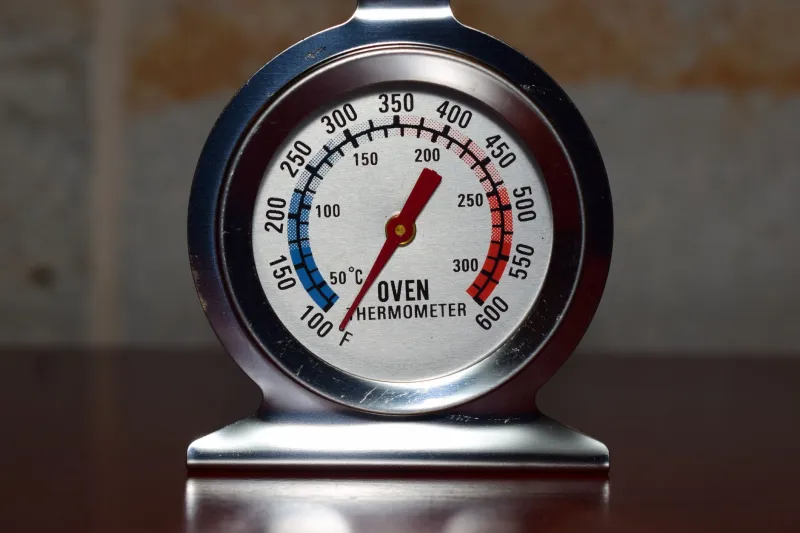
Create a warm environment deliberately. Preheat your oven to 200°F, then turn it off and leave the door cracked for five minutes. Put your covered dough inside. This gives you a consistently warm, slightly humid environment that mimics what the recipe was designed for.
Add a splash more water to your dough. In dry winter air, flour absorbs less ambient moisture, so your dough will be stiffer than expected with the same liquid ratio. Add water a teaspoon at a time until you hit the right texture — soft, slightly tacky, but not sticky.
For chole in winter, the main adaptation involves your chickpeas. Dry air and cold temperatures mean longer cook times, and the chickpeas you're working with in January or February have likely been sitting in storage longer than fall stock. Give them an extra five to ten minutes in the pressure cooker and taste before you decide they're done.
Winter ingredient swaps: Fresh tomatoes are watery and flavorless in winter, so lean on canned whole tomatoes or good-quality tomato puree instead. A combination of canned tomatoes and a tablespoon of tomato paste will give you better depth than fresh out-of-season tomatoes ever could.
A Seasonal Cheat Sheet
Spring/Fall: Follow standard recipes with minimal adjustment. Best time to experiment and refine technique.
Summer (humid climates): Reduce yogurt by 1 tbsp, refrigerate dough for second half of rest, use fresh tomatoes, work with cold surfaces.
Summer (dry climates): Add extra liquid cautiously, watch fermentation time, keep dough covered tightly.
Winter (arid or cold climates): Proof dough in a warm oven, add extra water to dough, extend chickpea cook time, substitute canned tomatoes for fresh.
Year-round: Trust texture over timing. Your kitchen's conditions matter more than the clock.
The cooks who make chole bhature consistently well aren't following a single rigid recipe — they're reading their environment and adjusting. That's not a special skill. It's just paying attention. Once you start thinking about your kitchen as a seasonal place rather than a neutral one, the dish starts making a lot more sense.