Less Is More: The Spice Logic Behind Chole That Actually Tastes Like the Street
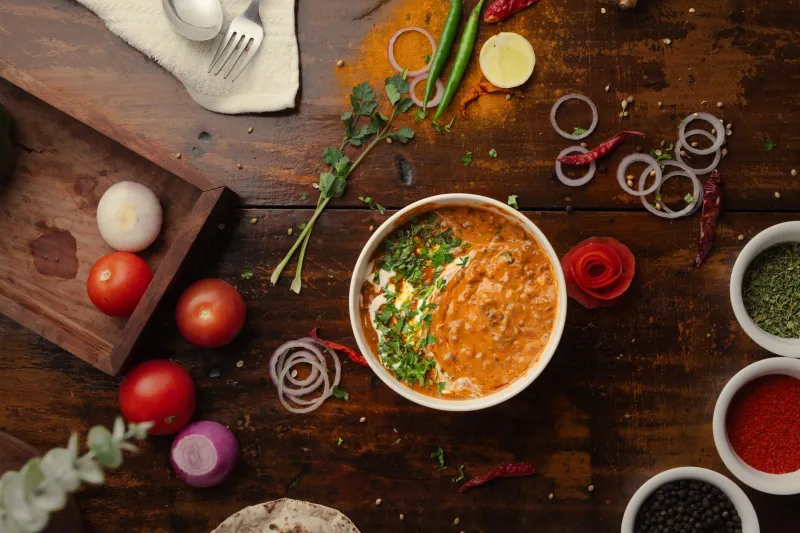
There's a moment most home cooks hit when they're making chole. The chickpeas are simmering, the kitchen smells incredible, and then — doubt creeps in. Is this spiced enough? Should I add more? So in goes another pinch of garam masala, a little extra chili powder, maybe a heavy-handed shake of coriander. And somehow, the pot that smelled so promising ends up tasting muddy, flat, or just… too much.
Here's the thing nobody tells you: that instinct to keep adding is exactly what separates home chole from the stuff that comes off a Delhi street cart at 8 in the morning. The vendors aren't using more. They're using smarter.
The Myth of the Heavy-Handed Street Cook
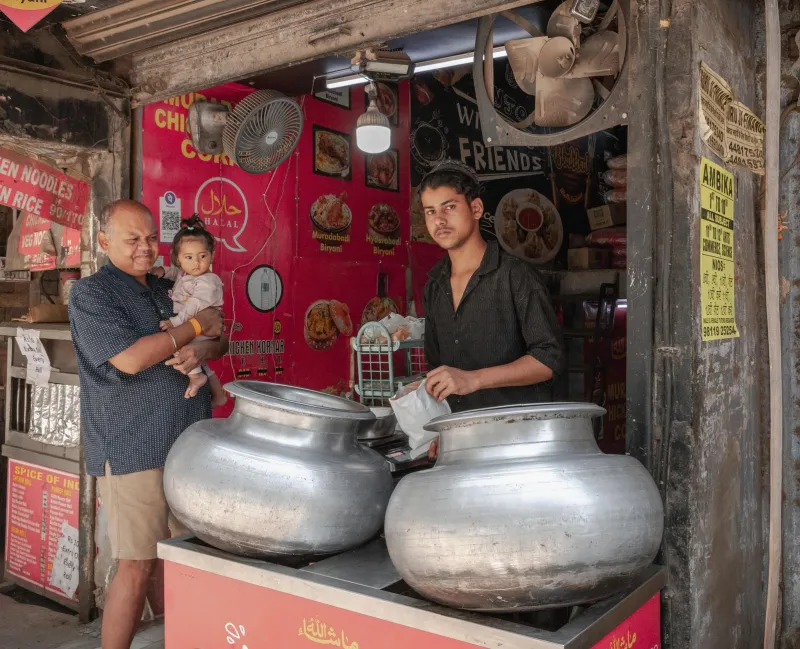
American food culture tends to equate bold flavor with big quantities. More hot sauce, more seasoning, more everything. And Indian food — with its long spice list — can feel like an invitation to go all in. But spend any time watching a seasoned chole vendor work, and you'll notice something surprising: the spice tins are small, the scoops are measured, and the hand that reaches for the masala does it once, maybe twice, and then stops.
The complexity you taste in great chole isn't coming from volume. It's coming from layering — adding different spices at different points in the cooking process so each one has time to do its own job before the next one joins the conversation.
The Baseline Ratio (And Why It Works)
For a standard batch of chole using two cans of chickpeas (or about 3 cups of home-cooked), here's a grounded starting ratio that mirrors what most street vendors are working with:
- Cumin seeds: 1 teaspoon (bloomed in oil at the start)
- Coriander powder: 1.5 teaspoons
- Cumin powder: 1 teaspoon
- Turmeric: ¼ teaspoon
- Red chili powder: ½ to ¾ teaspoon (adjust to heat preference)
- Amchur (dry mango powder): ½ teaspoon
- Garam masala: ½ teaspoon (added near the end)
- Anardana (pomegranate seed powder): ¼ teaspoon (optional but worth it)
- Black cardamom: 1 pod (whole, added early, removed before serving)
That's it. That's the whole list for a pot of chole that will make people lean over the bowl and ask what you did differently.
Notice what's not there: a tablespoon of garam masala, a heavy pour of chili, a fistful of coriander. The restraint is the point.
Timing Is the Technique
The ratio matters, but the order matters just as much. Think of spice-building in three distinct phases:
Phase one — the base bloom. Whole spices go into hot oil before anything else. Cumin seeds, the black cardamom pod, maybe a bay leaf. This is where you extract fat-soluble flavor compounds that water can never pull out. Give them 30 to 45 seconds until the cumin darkens slightly and the oil smells almost smoky.
Phase two — the masala build. Once your onions and tomatoes are cooked down into a thick paste, add your ground spices: coriander, cumin powder, turmeric, chili powder. Cook these into the paste for at least two minutes over medium heat. You're toasting them in the fat that's released from the onion-tomato base. This is the step most home cooks skip or rush, and it's where that street-cart depth actually gets built.
Phase three — the finish. Garam masala and amchur go in late — within the last five minutes of cooking. These are volatile aromatics. Add them too early and you'll cook off the very compounds that make them interesting. Add them at the end and they sit right on the surface of the flavor profile, bright and present.
The Acid Factor Nobody Talks About
A lot of home cooks reach for more spice when what they actually need is more acid. Street chole almost always has a sharp, tangy backbone — and that comes from amchur, anardana, or sometimes a small pour of tamarind water. Acid doesn't just add sourness; it lifts every other flavor in the pot. It makes the spices taste more like themselves.
If your chole tastes somehow dull even though you've added plenty of masala, try squeezing in a little amchur before you reach for anything else. Nine times out of ten, that's the fix.
Dialing It to Your Kitchen
The ratio above is a foundation, not a formula set in stone. A few adjustments worth knowing:
If you want more heat without adding chili powder (which can make things bitter if overdone), reach for fresh green chilies added with the onion, or a small amount of kashmiri chili powder, which gives color and mild warmth without aggression.
If your chole tastes too sharp or tangy, dial back the amchur and add a pinch of sugar to balance. This is a common vendor trick — sweetness isn't a flavor you notice on its own, but it rounds off hard edges.
If you want more depth without more spice, add a tea bag or two black tea bags to the chickpea cooking water. It sounds strange but it's a classic trick that gives the chickpeas a darker color and a subtle earthiness that reads as complexity.
Why Less Actually Delivers More
When you overload a pot with spices, something counterintuitive happens: individual flavors stop being distinguishable. You get heat, you get brown, you get something, but the distinct character of each spice — the warmth of cumin, the citrusy lift of coriander, the resinous depth of black cardamom — gets buried. It all merges into a single aggressive note.
Restraint keeps those individual voices audible. The goal isn't a wall of flavor. It's a conversation.
The vendors who've been making chole since before you were born figured this out not through culinary school but through repetition and feedback — thousands of bowls, thousands of customers, constant calibration. What they landed on is a lighter hand than most home cooks expect, combined with technique that makes every gram of spice work harder than it would in a heap.
Start with the ratios above. Cook the masala into the paste like you mean it. Add your finishing spices late. Taste before you add anything else. That bowl you've been chasing? It's closer than you think.