Same Recipe, Different Chole Every Time? Your Chickpeas Are the Culprit
You know the feeling. You've made chole a dozen times. You've got your masala dialed in, your soaking routine locked down, your pressure cooker set to exactly the right number of whistles. And then one Sunday you make it again and something is just... off. The chickpeas are chalky. Or they turned to mush. Or they never quite softened no matter how long you cooked them. Or the whole dish just tastes flat, like it's missing something you can't name.
Here's the uncomfortable truth: it probably wasn't you. It was the chickpeas.
This is the part nobody talks about in recipe blogs. We obsess over technique — soaking time, spice ratios, the exact moment to add the tamarind. But we treat chickpeas like a fixed ingredient, as if every bag of dried kabuli chana sitting on the shelf at your local Indian grocery store is more or less the same. They're not. Not even close.
The Harvest Date Problem Nobody Mentions
Dried chickpeas don't have an expiration date so much as a slow decline. From the moment they're harvested, they start losing moisture at the cellular level. That process is gradual and mostly invisible — the chickpeas still look fine, still feel dry and firm in your hand, still smell perfectly neutral. But internally, they're getting older.
Older chickpeas have tighter, less permeable seed coats. Water struggles to penetrate during soaking. Starches become less responsive to heat. The result is a chickpea that resists softening, takes forever to cook, and often produces that dreaded chalky, slightly gritty texture even when the outside looks perfectly done.
The problem in the US is that most Indian grocery stores don't display harvest dates — they display packaging dates, which can be a year or more after harvest. A bag labeled with a packaging date from six months ago might contain chickpeas harvested eighteen months ago. You genuinely have no way to know just by looking.
Varietal Differences Are Real and They Matter
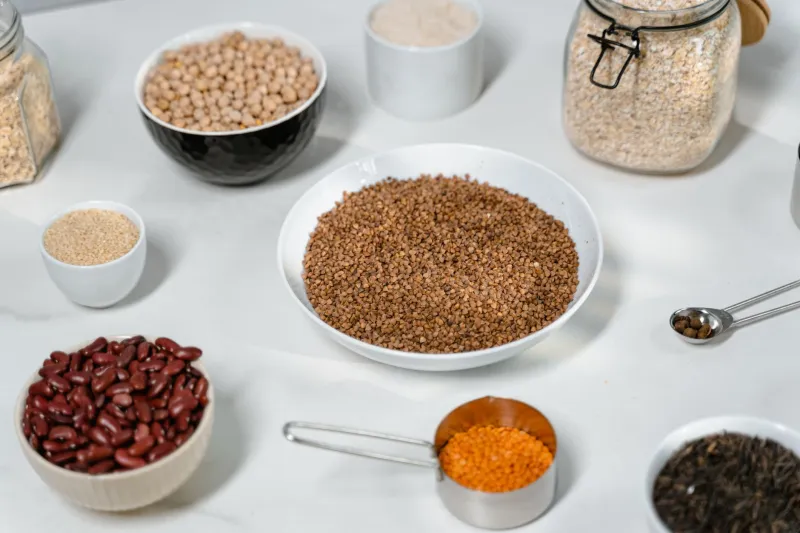
Not all kabuli chana is the same chickpea. There are dozens of cultivars grown across India, Pakistan, Australia, and North America — the primary sources for dried chickpeas sold in the US — and they behave differently in the pot.
Smaller, denser chickpeas from certain Indian growing regions tend to have a nuttier, more complex flavor but require longer cooking. Larger Australian or North American kabuli varieties are often milder and cook more quickly, but they can turn mushy faster if you're not careful. The chickpeas in one brand's bag might have a completely different origin than the same brand's bag from two months ago, depending on what was available at the time of packaging.
This is why your chole from March tasted richer than your chole from July even though you bought the same brand both times. The chickpeas inside were probably from different harvests, possibly different countries entirely.
How to Actually Evaluate Chickpeas at the Store
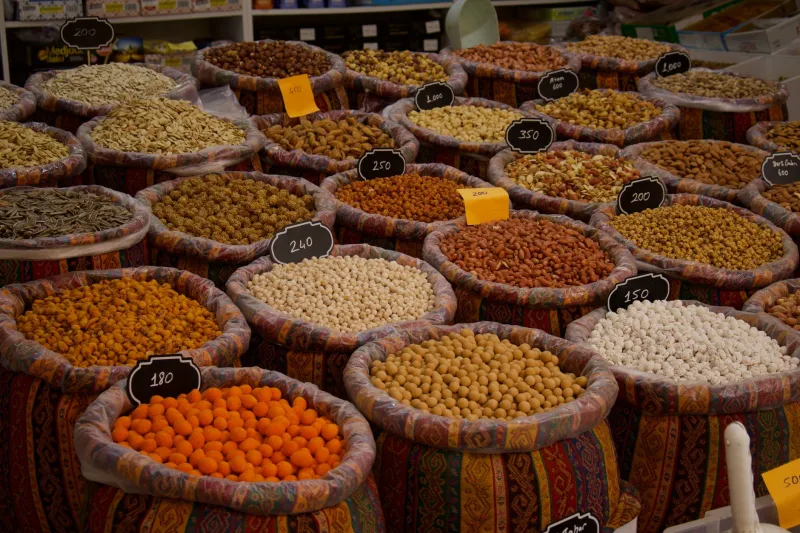
You can't taste them before you buy them, but you can do a quick visual and tactile audit that tells you a lot.
Look at the color. Fresh-ish dried chickpeas have a creamy, slightly warm ivory color. Older chickpeas start to look more yellowish or take on a dull, almost grayish cast. If the bag looks like it's been sitting under fluorescent lights for two years, it probably has.
Check for wrinkles. Run your eye over the chickpeas in the bag. Young, well-stored chickpeas are plump and relatively smooth. Heavily wrinkled chickpeas have lost significant moisture and will be stubborn in the pot.
Look at the size uniformity. A bag with wildly inconsistent sizes often means it's a blend of different batches or even different varieties. That's not necessarily a dealbreaker, but it means your cooking time will be harder to predict.
Buy from stores with high turnover. Indian grocery stores in cities with large South Asian populations — think Artesia in LA, Devon Avenue in Chicago, Jackson Heights in New York, or Hillcroft in Houston — tend to move product faster. Faster turnover means fresher stock.
Storage at Home Is Half the Battle
Even if you bring home a great bag of chickpeas, bad storage will age them prematurely. The enemy is humidity and temperature fluctuation — both very common in American kitchens.
Transfer dried chickpeas from their bag into an airtight glass or hard plastic container as soon as you get home. Keep them in a cool, dark cabinet away from the stove. If you live somewhere with high humidity (hello, Houston summers), consider storing them in the refrigerator in a sealed container. They'll stay in better condition significantly longer.
Label your container with the date you opened the bag. If you haven't used them within a year, assume they're going to be difficult and plan accordingly.
Techniques for Normalizing a Stubborn Batch
Okay, so you've got old or inconsistent chickpeas. You're not throwing them away. Here's how to salvage the situation.
Extend the soak — and add baking soda. Instead of your usual 8-hour soak, go 12 to 16 hours. Add a generous pinch of baking soda to the soaking water. Baking soda raises the pH, which weakens the pectin in the chickpea's cell walls and dramatically improves how evenly they soften. Rinse thoroughly before cooking.
Salt your soaking water, not your cooking water. This is counterintuitive — most people think salt toughens legumes. But salting the soak (about a teaspoon per quart of water) actually helps the chickpeas hydrate more evenly and produces a creamier final texture. Just don't salt during cooking until the chickpeas are fully tender.
Cook longer than you think you need to. If you're using a pressure cooker or Instant Pot with chickpeas you suspect are older, add 20 to 30 percent more time than your recipe calls for. It's much easier to adjust from slightly overcooked than to rescue a pot of underdone, chalky chole.
The pinch test is your best friend. Before you pull the chickpeas off heat and start building your masala, take one out and pinch it between your fingers. It should yield completely without any firm core. If there's any resistance at all, keep cooking.
A Note on Canned Chickpeas
Look, nobody here is going to shame you for using canned. In a pinch, a good quality canned chickpea — drained, rinsed, and treated with some respect — can absolutely work for a weeknight chole. The varietal and age inconsistencies are largely removed from the equation because the canning process standardizes texture.
But canned chickpeas will never give you the same depth of flavor as dried ones cooked from scratch. The liquid they're packed in (even after rinsing) leaves a faint metallic note, and the texture is softer and less satisfying. For your everyday weeknight dinner, they're fine. For the chole you're making when people are coming over and you want it to taste the way it does at that one spot back home? Use dried. Just use good dried chickpeas, and use them with a little more intention than you have been.
The chickpea conspiracy isn't really a conspiracy at all. It's just the reality that an ingredient this simple has a lot more going on beneath the surface than most of us ever stop to consider. Once you start paying attention, your chole gets a whole lot more consistent — and a whole lot better.