Why Bhature Puff Up Like Pillows (And How to Make That Happen at Home)
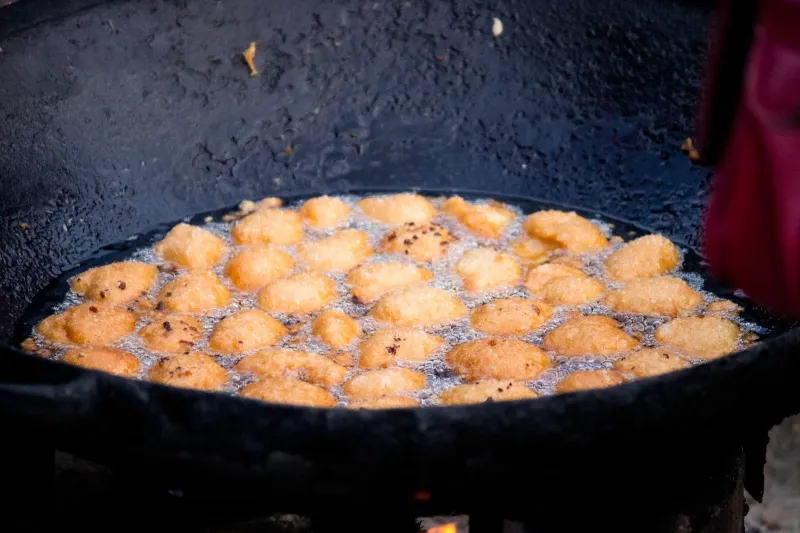
If you've ever stood at a street stall in Delhi — or even just watched a YouTube video of one — you've probably seen it: a disc of dough drops into hot oil and, within seconds, balloons into something that looks more like a throw pillow than a flatbread. It's dramatic. It's satisfying. And if you've tried making bhature at home and ended up with something flat, dense, or weirdly chewy, you've probably wondered what you're missing.
The good news is that the "magic" behind a perfectly puffed bhature isn't magic at all. It's a combination of fermentation chemistry, dough hydration, fat behavior, and oil temperature — and once you understand what each of those is doing, you can start dialing in results that'll genuinely surprise you.
It Starts Long Before the Oil
The biggest mistake most home cooks make with bhature is treating the dough like a same-day project. You mix, you rest for twenty minutes, you fry. And the result is... fine. But fine isn't what you're going for.
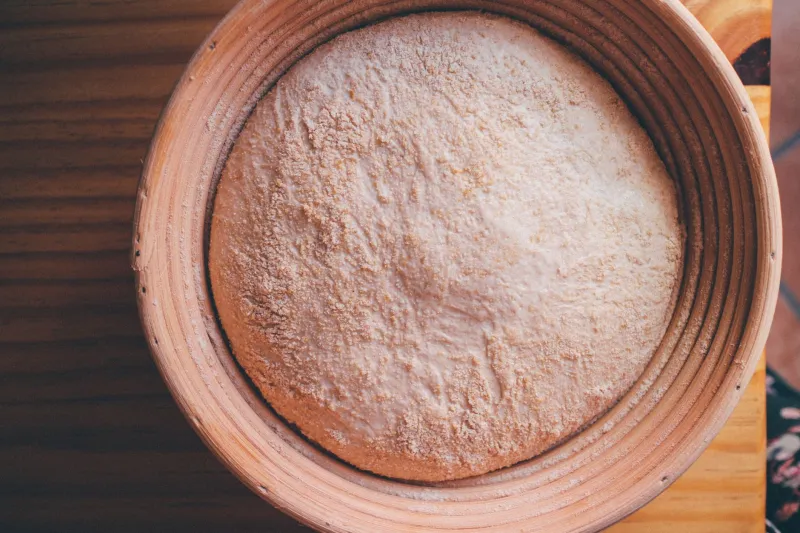
Traditional bhature dough relies on fermentation — usually from yogurt, and sometimes from a small amount of baking soda or a combination of both — to build up the internal gas bubbles that make the puff happen. That fermentation takes time. When vendors in India prep their dough, they're often working with batches that have been resting for several hours, sometimes overnight. The longer rest allows the yogurt's natural bacteria to work through the dough, creating a looser, more extensible gluten network and generating the carbon dioxide that'll expand dramatically when it hits hot oil.
At home in the US, your kitchen temperature matters here. If your space runs cool (which it often does in winter, especially if you keep the thermostat low), your fermentation will be slower. Try resting your dough in the oven with just the light on, or near a warm appliance. You're not looking for the dough to double in size like bread — just a subtle puffiness and a slight tang when you taste a small piece raw.
The Role of Fat in the Dough
Bhature dough almost always includes some fat — typically oil, though some recipes call for a small amount of ghee. That fat is doing two things at once.
First, it coats the gluten strands and makes the dough more pliable, which means when you roll it out, it stretches without snapping back. A dough that springs back when you try to roll it will resist the expansion you're trying to create in the oil. Relaxed gluten = more room for puffing.
Second, fat affects how steam builds inside the bread. When a bhature hits hot oil, the moisture inside the dough turns to steam almost instantly. If the gluten network is tight and rigid, that steam escapes before it can inflate the bread. But if the fat has done its job and kept things pliable, the steam gets trapped, and the bhature blooms.
The ratio matters. Too little fat and the dough is stiff. Too much and it becomes greasy and won't hold structure. A tablespoon or so of oil per cup of flour is a reasonable ballpark, but you'll learn to feel it — the dough should feel soft and smooth, not sticky or slick.
Rolling Technique: Thinner Than You Think
Here's something that trips people up: bhature should be rolled thinner than you'd expect given how much they puff. If you roll them too thick, the outside cooks before the inside has a chance to generate enough steam to inflate the whole thing. You end up with a dense, bready result instead of that airy pocket.
Aim for something around an eighth of an inch — roughly the thickness of a couple of stacked quarters. It'll look alarmingly thin before it goes in the oil, but trust the process. The puff will take care of the volume.
Also worth noting: the shape matters less than you'd think. Round, oval, slightly lopsided — all fine. What you want to avoid is any tears or thin spots where steam can escape before the bread has a chance to set.
Oil Temperature Is Non-Negotiable
This is the one where most home cooks lose the battle without even realizing it. Bhature need hot oil — genuinely hot, around 360 to 375°F. If your oil is too cool, the dough absorbs it before the steam can build. The result is greasy, flat, and sad.
The way street vendors test their oil without a thermometer: they drop a tiny pinch of dough into the oil. If it sinks and slowly rises, the oil isn't ready. If it hits the surface and immediately floats up and starts sizzling, you're good to go.
At home, a candy or deep-fry thermometer takes the guesswork out entirely, and for a dish where oil temperature is this critical, it's worth the ten-dollar investment. Don't overcrowd the pan either — one bhature at a time if you're using a smaller vessel. Adding multiple pieces drops the oil temperature fast, and you lose the rapid steam-building effect you need.
The Gentle Press That Changes Everything
Once your bhature hits the oil, use the back of a slotted spoon to gently press down on it — not hard, just a light, steady pressure across the surface. This encourages even steam distribution and helps the whole disc puff rather than just one section ballooning while the rest stays flat.
You'll see it start to inflate within seconds. Flip once, cook briefly on the second side, and pull it out. Total fry time should be under two minutes. Drain on paper towels and serve immediately — bhature don't wait well, and the puff deflates as they cool, which is why street vendors are always frying to order.
Putting It All Together
The reason restaurant and street-stall bhature look impossible isn't because professional cooks have access to techniques or equipment you don't. It's because they've internalized a sequence that most home recipes skip over or compress: long fermentation, properly hydrated and fatted dough, thin rolling, screaming-hot oil, and that gentle press in the pan.
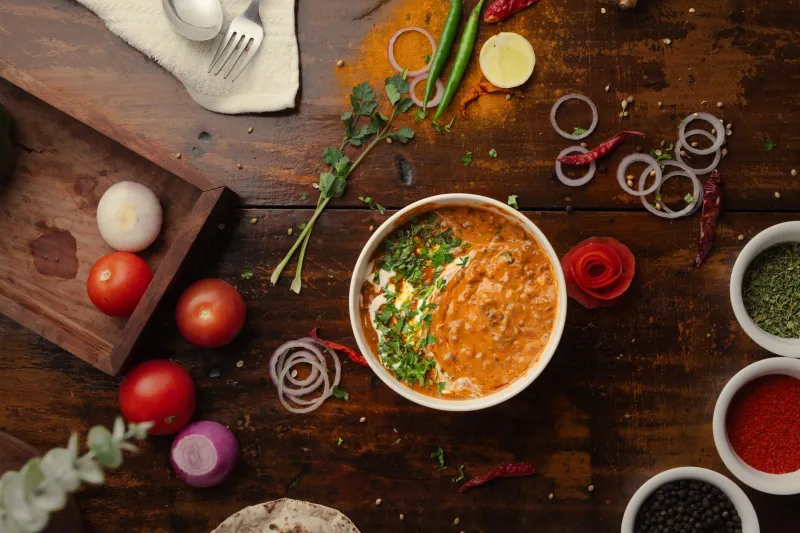
Get those five things right, and you'll pull bhature out of your home kitchen that puff up just as dramatically as anything you'd get at a dhaba. Serve them alongside a bowl of dark, deeply spiced chole and you've got the full experience — no street cart required.